What Is Supportive Care ABA?
Many parents looking for autism support services may be surprised by what is supportive care ABA and how it can help their child. Supportive care aba offers tailored applied behavior analysis therapy to help children recover communication, social skills, behavior and daily life skills. Each therapy plan is planned to meet a child’s individual wants and goals while also involving and supporting families.
Now, you will learn that what Supportive Care ABA is or the services it offers, who can benefit from ABA therapy and why early intervention and family support are significant for helping children develop key skills and reach their full potential.
Understanding ABA Therapy and Supportive Care Services
ABA or Applied Behavior Analysis is a scientific approach that studies behavior and learning. Understanding to ABA Therapy and Supportive Care Services starts with knowing that ABA or Applied Behavior Analysis is a proven technique that helps people learn positive behaviors and key life skills. ABA therapy services help recover communication or social skills, self-care and independence through step-by-step support.
Supportive care makes therapy more effective by involving families and providing help centered on each person’s needs. Since everybody has changed strengths and challenges, treatment plans are designed to match individual objectives and development.
What Does ABA Therapy Focus On?
ABA therapy is planned to teach useful abilities that can make daily life easier. It offers step-by-step support and encourages positive learning. The aims of therapy are based on the requirements and strengths of every person.
Communication Skills: Supports better talking, understanding and sharing thoughts and requirements.
Social Development: Supports people in learning that how to play or work and connect with others.
Daily Living Skills: Builds basic habits such as getting dressed, brushing teeth and eating freely.
Positive Behavior Reinforcement: Uses praise and encouragement to support the growth of good habits.
These areas of concentration can help individuals gain more confidence and handle everyday activities more successfully.
How Supportive Care ABA Personalizes Treatment?
Supportive Care ABA makes a treatment plan centered on each person’s needs. Therapists consider strengths or challenges and daily activities to provide appropriate support.
Individual Assessments – Therapists first know a person’s strengths, challenges and development needs to know what support is required.
Goal Setting – Simple or clear objectives are created centered on individual requirements and family recommendations.
Ongoing Progress Monitoring – Therapists routinely monitor progress and make adjustments as needed to ensure therapy is effective.
Family Involvement – Parents and caregivers support practice skills at home to support learning and everyday success.
This tailored approach supports individuals in building important skills, becoming more independent and attaining long-term progress.
Who Can Benefit from Supportive Care ABA?
Understanding supportive care ABA can help families know how therapy supports different requirements and everyday activities. Supportive care ABA can support children, families and individuals who want extra support. Consistent sessions and family involvement help make learning more actual and useful.
1: Children with Autism Spectrum Disorder
Children with autism can benefit from supportive care ABA by learning the skills which support them in daily life and social situations.
Communication Development – Helps children share their desires or feelings and thoughts more easily.
Social Skills Growth – Teaches children how to interact or play and get along with others.
Behavioral Support – Encourages positive behaviors and supports the management of challenging behaviors.
These skills can help children become more confident and independent as they grow.
2: Families Seeking Structured Support
Supportive care ABA also gives families the support they want to help their loved ones at home.
Parent Training and Guidance – Parents learn simple ways to support learning and development.
Consistency Between Therapy and Home Environments – Using the same approaches at home and in therapy supports children’s learning.
Working together creates a positive, supportive environment for progress.
3: Individuals with Developmental and Behavioral Challenges
People with developmental and behavioral challenges can also benefit from supportive care ABA.
Customized Interventions – Therapy plans are created to fit each person’s desires and goals.
Skill-Building for Greater Independence – Supports individuals in learning everyday living skills and becoming more independent.
With the correct support, the individuals can continue to learn new skills and improve their everyday lives.
Services Commonly Offered Through Supportive Care ABA
Many families who question whether ABA is supportive care also want to know about the services it includes. Supportive Care ABA offers various types of therapy centered on each person’s wants. These services help improve communication, behavior, social skills, and daily life skills.
In-Home ABA Therapy
In-home ABA therapy takes place in a familiar and comfortable setting. It supports individuals in learning and practicing skills throughout everyday activities. This makes learning easier and more useful in daily life.
- Support is provided with a focus on individual needs and everyday routines.
- Therapy takes place in a comfy home setting.
- Key life skills can be practiced throughout daily tasks.
- Family members can take part in the therapy procedure.
Home-based therapy supports individuals in using new skills in everyday life and becoming more independent.
Clinic-Based ABA Therapy
Clinic-based ABA therapy takes place in a structured setting. It offers individuals access to therapy tools and trained experts.
- A structured environment supports learning and development.
- Distinct therapy tools and resources are available.
- Individuals work with skilled therapists.
- Sessions are intended according to individual desires.
Clinic-based therapy offers a supportive setting where individuals can continue building key skills.
Social Skills Training
Social skills training teaches individuals how to interact with others in positive ways. It centers on communication and building relations.
- Helps recover friendships and peer interactions.
- Offers group learning activities.
- Supports communication and teamwork skills.
- Builds sureness in social situations.
Social skills training helps individuals feel more comfortable and confident when interacting with others.
Parent and Caregiver Training
Parent and caregiver training supports families’ progress outside therapy sessions. It offers simple approaches that can be used at home.
- Teaches ways to support learning at home.
- Supports families in successfully switching challenges.
- Encourages family involvement in therapy objectives.
With the correct guidance, parents and caregivers can help support long-term development and success.
How Supportive Care ABA Helps Build Essential Skills
Supportive Care ABA helps people learn key life skills for everyday life. It supports communication, social skills, everyday routines and behavior. Skills are taught step by step in a simple way centered on each person’s needs. With consistent practice and family support, individuals can become more confident, independent, and better at daily tasks.
Communication Skills
Communication skills help people share their thoughts and get to know others. ABA therapy helps improve speaking and other communication skills.
- Saying needs and wants in a simple way
- Improving speaking and language skills
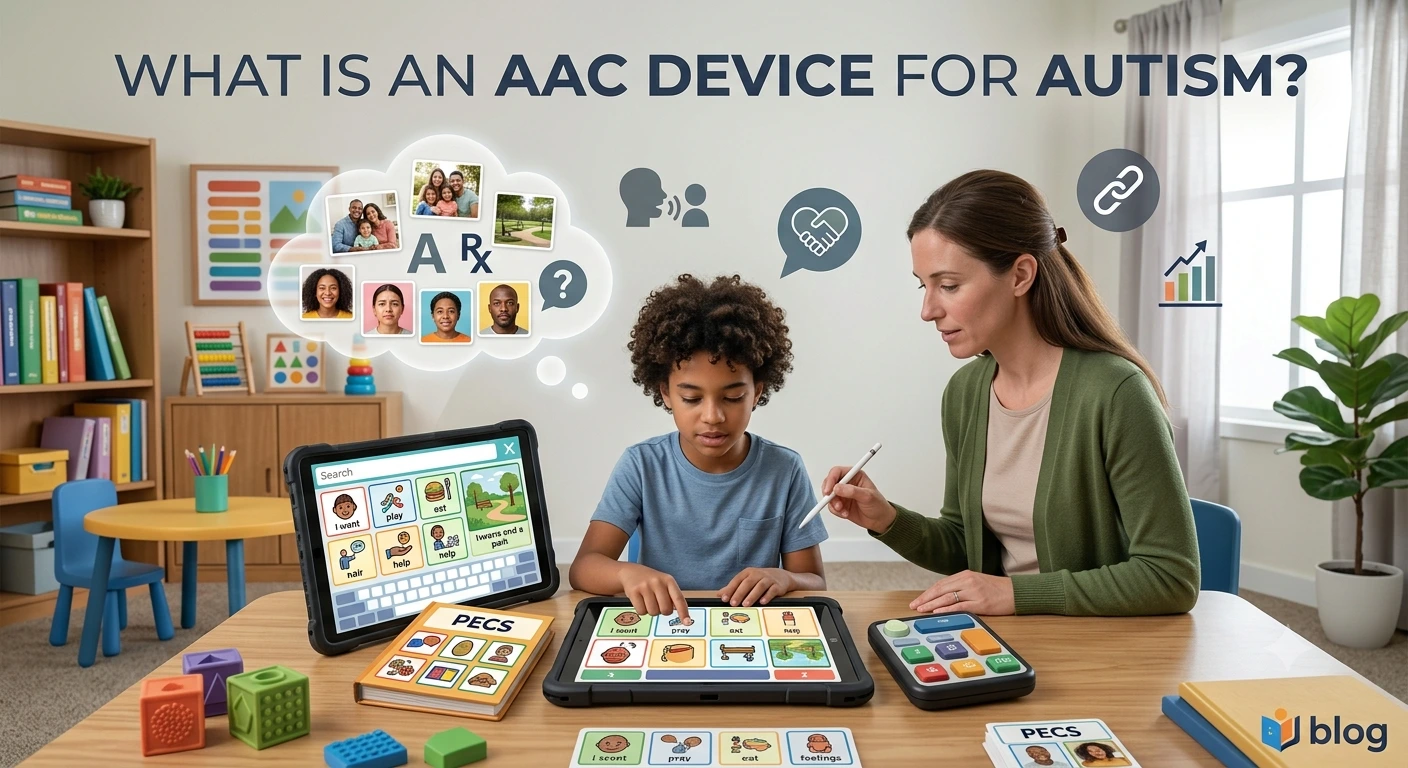
- Using pictures or devices if required
Social Skills
Social skills help people get along with others and behave well in social situations. Therapy teaches how to interact positively.
- Understanding facial expressions and body language
- Learning to share and take turns
- Playing and working with others
Daily Living Skills
Daily living skills support people to do everyday tasks on their own. These skills build independence.
- Learning private hygiene habits
- Following everyday routines
- Doing simple tasks by themselves
- Improving self-care and organization
Behavioral Skills
Behavioral skills help people learn good behavior and manage emotions. Therapy supports positive actions.
- Encouraging good behavior with rewards
- Handling tough behavior securely
- Learning to control emotions
- Improving concentration and self-control
Why Early Intervention Matters
Early help is very key for children. It means giving support at the correct time when a child’s brain is still growing fast. Starting therapy on time makes learning easier and helps children build key life skills. It also supports better overall development in everyday activities.
Benefits May Include:
- Better communication skills
- Improved social skills
- More independence in everyday life
- Easier adjustment to school and community
Early support helps children learn step by step and feel more confident in everyday life activities.
What Makes Supportive Care ABA Different?
Supportive Care ABA has changed from general support approaches in a few simple ways:
- Plans are made for every person centered on their own goals
- Family is included and encouraged to take part
- Therapists work together with parents, teachers and care teams
- Progress is checked frequently and plans are updated when required
- Concentration is on clear, measurable improvement in skills
This personal method helps Supportive Care ABA stay useful and current over time.
Common Misconceptions About ABA Therapy
“ABA Therapy Is the Same for Everyone”
This is not correct. ABA therapy is tailored for each person. It is made centered on individual needs and objectives.
“ABA Only Focuses on Behavior”
ABA does not only focus on behavior. It also helps with communication, social skills, independence and everyday life skills.
“Parents Are Not Involved”
This is incorrect. Parents and families are very key in ABA therapy. They are frequently guided and trained during the procedure.
“ABA Therapy Is Only for Young Children”
ABA therapy is not just for small children. People of different ages can receive assistance from ABA based on their needs and goals.
How Families Can Support Progress Outside Therapy
Families play a key role in helping children use therapy skills in everyday life.
They can support by:
- Practicing skills at home
- Keeping everyday routines the same
- Celebrating minor successes
- Talking habitually with therapists
- Helping set objectives with the therapy team
Even minor daily efforts can help recover progress and build sureness over time.
When to Contact a Supportive Care ABA Provider
Families may need to get an evaluation if they notice:
- Delays in communication
- Trouble with social skills
- Repetitive behaviors
- Difficulty following everyday routines
- Behavior complications in everyday life
Getting help early can identify strengths and trials and guide the correct support for the individual.
Conclusion
To conclude that learning about supportive care ABA is an essential step toward finding helpful support and resources. It helps families understand how supportive care ABA can foster positive growth through structured care. With applied behavior analysis (ABA) therapy, individuals can recover communication or behavior and everyday life skills through ABA and autism support services. Families should consult qualified ABA experts to select the appropriate support plan for their needs. With consistent support, care and a focus on strengths, each individual can grow and learn new skills. Small steps each day can lead to actual progress, more independence and greater sureness in life.