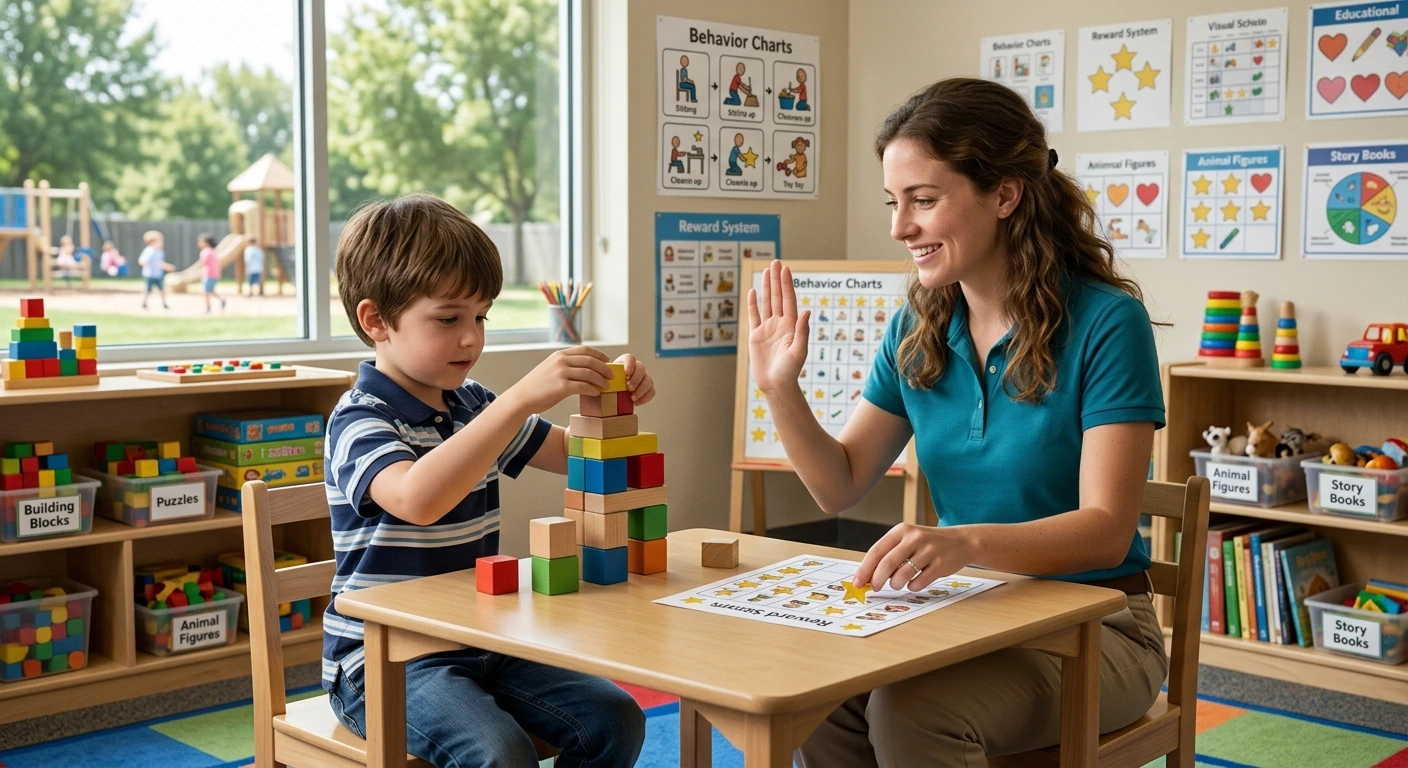
Applied Behavior Analysis (ABA) is the scientific study of how the environment affects behavior. It is a set of tools used to help individuals improve communication and learn social and academic skills. It includes reinforcement techniques like rewarding after a good action to encourage positive development.
What Defines the Core Mechanism of ABA Therapy?
ABA therapy is the most effective treatment, having passed numerous rigorous scientific tests demonstrating its long-term effectiveness for neurodivergent learners. You must understand the ABC model because it provides the biological and behavioral foundation for every intervention your child will experience.
- A (Antecedent): This is the specific trigger that occurs right before a behavior, such as a mother stating it is time for bed.
- B (Behavior): This is the actual action or response that follows the trigger, such as a child getting up to change into their pajamas.
- C (Consequence): This describes the immediate result of the action, such as a parent offering praise or a loving kiss to reinforce the effort.
Therapists help children develop positive habits that last a lifetime by strategically changing what happens before and after a specific behavior.
How Does ABA Therapy Work?
Modern ABA focuses entirely on equipping your children with the functional tools they need to understand the world and move through it with confidence. You will find that therapists utilize the following distinct methodologies depending on your child’s specific learning style and current developmental goals.
Discrete Trial Training (DTT)
This highly structured teaching method requires a therapist to break a large skill, like brushing teeth, into tiny and manageable steps. The professional teaches one step at a time until the child masters it, then moves on to the next challenge in the sequence.
DTT works best for teaching foundational skills such as identifying colors, mastering numbers, and making basic snack requests.
Natural Environment Training (NET)
This form of therapy takes place in natural social settings, such as a local playground or a grocery store. The therapist follows the child’s lead and uses teachable moments to practice skills in the exact place where the child will actually use them.
For example, if a child wants to use a swing, the therapist helps them practice saying the word or using a picture card to ask for it.
Pivotal Response Treatment (PRT)
Instead of targeting a single isolated behavior, PRT targets pivotal areas of a child’s development, such as internal motivation or emotion regulation. Improving these central areas leads to massive improvements in many other social and communication skills.
PRT relies heavily on play and child-initiated tasks to keep the learner engaged and happy throughout the session.
What is the History and Evolution of Behavior Analysis?
You should know that Dr. Ole Ivar Lovaas pioneered the first clinical applications of ABA for autistic children at UCLA during the late 1960s. While early versions of the therapy relied on strict compliance, the field has evolved significantly to prioritize the child’s emotional well-being and personal autonomy. Modern practitioners now reject the “harsh” methods of the past and focus on creating a supportive environment where the child feels safe to explore and learn at their own pace.
What Professional Roles Make Up a Therapy Team?
A successful ABA program requires a team of different experts who work together to ensure your child receives consistent and high-quality care every day.
- Board Certified Behavior Analyst (BCBA): This professional holds a master’s degree and designs the overall treatment plan while supervising the daily work of the technicians.
- Registered Behavior Technician (RBT): This individual works one-on-one with your child to implement specific goals and collect data on your child’s progress during each session.
- Board Certified Assistant Behavior Analyst (BCaBA): These professionals have a bachelor’s degree and provide an extra layer of support and supervision under the guidance of a senior BCBA.
What to Expect During the Comprehensive Care Process?
Every ABA journey follows a specific, documented path to ensure your child receives the most effective interventions possible.
Initial Assessment
Before therapy begins, a BCBA will meet with your child to conduct a thorough evaluation using standardized tools such as the VBMAPP or ABLLS-R. You should expect this process to take 4 to 6 hours over 2 days, as the expert identifies your child’s current strengths and challenges.
Final Treatment Plan
The BCBA creates a custom plan that outlines which target behaviors the team will address over the coming months. This plan includes detailed data-collection methods (frequency recording, duration recording, latency recording, partial-interval recording, and ABC data logs) so you can track your child’s progress in real time via digital portals or written reports. Moreover, you receive dedicated parent training to ensure you can apply these same successful techniques in your own home.
What the 2026 ABA Field Outlook Reveals About Costs and Access?
In 2026, ABA Therapy in Utah will be more accessible to families, but total costs still vary by program intensity and geographic location.
- Average Hourly Rate: Most clinics charge between $120 and $150 per hour for direct therapy services provided by a registered technician.
- Annual Cost Without Insurance: Families can expect to pay between $60,000 and $150,000 per year if they do not have adequate insurance coverage.
- Insurance and Medicaid: Most private insurance plans and all state Medicaid programs now provide comprehensive coverage for ABA services to qualified individuals.
- Shift in Hours: While forty hours per week was the old standard, many children now thrive on ten to twenty hours of focused therapy paired with active family training.
What to Look For in Neurodiversity-Affirming ABA?
The most important trend in 2026 involves Assent-Based Care, which ensures that the child has a meaningful say in their own therapy process. You should choose a provider who prioritizes the child’s choice and honors their right to say “no” when they feel distressed or overwhelmed. A high-quality therapist respects natural behaviors like hand-flapping and focuses on building a deep connection rather than just demanding quiet compliance.
What Preparation Steps Help Parents Succeed?
Starting therapy is a major step for any family, so use this checklist to prepare your home for the first session.
- Gather Essential Documents: You must have your official diagnosis report and updated insurance cards ready for the administrative team to review.
- Identify Powerful Motivators: Create a list of your child’s favorite toys, snacks, and songs that the therapist can use as rewards during learning tasks.
- Create a Mobile Comfort Kit: Pack a safety bag containing a favorite blanket, noise-canceling headphones, and a familiar sensory toy for clinic visits.
- Organize the Therapy Space: If you choose in-home therapy, designate a quiet area with minimal distractions to help your child stay focused.
Final Words
Starting ABA therapy marks the beginning of a transformative journey for your child and your entire household. This modern, science-backed approach teaches skills and bridges your child’s unique way of thinking with the world around them. With the right team and a clear plan, you can turn daily challenges into lasting milestones and a brighter, more independent future.