What Is Autism?
Several people have heard the term autism but they may not know accurately that what it means or how it disturbs everyday life. If you are wondering what is autism, then this guide will help you understand it in a simple way. Autism also known as autism spectrum disorder is a condition that disturbs the way a person communicates, acts and connects with other people. It can be found in both children and adults, and the symptoms can differ from person to person.
In this article, we will clarify what autism is and what ASD meaning in easy-to-understand language. You will learn why autism is named a spectrum or the common symptoms to look for, possible reasons, how it is identified and the different types of support which can support people with autism spectrum disorder.
Understanding Autism Spectrum Disorder (ASD Meaning)
Autism Spectrum Disorder (ASD) is a condition that disturbs how a person communicates or learns, behaves and connects with other people. Understanding to the meaning can help families or teachers and caregivers offer better support. Autism typically starts in early childhood and stays with a person throughout life. However, each autistic person is different.
Breaking Down ASD Meaning
- Autism = Changes in how a person learns or communicates, behaves and interacts with others.
- Spectrum = A wide range of abilities or strengths and trials.
- Each autistic person is unique and may have different needs.
- Some people want very little support in everyday life.
- Others may want more help with communication or learning and normal activities.
Because autism affects everybody in a different way than it is significant to know each person’s needs and provide the correct support. With understanding and encouragement, autistic individuals can learn new skills or build relationships and enjoy a fulfilling life.
Common Signs and Symptoms of Autism Spectrum Disorder
Seeing the symptoms of autism early can help families get the correct support and help as soon as possible.
1: Communication Differences
Many people with autism communicate in a different way. They may find it harder to speak or learn a language or share their thoughts and feelings. These communication challenges vary from person to person.
- Late speech or language development
- Difficulty telling others about feelings or requirements and needs
- Repeating the same words or phrases and sounds
- Finding it hard to know jokes or sarcasm and sayings
Each autistic person is unique and has their own way of communicating. With support or practice and understanding, they can recover their communication skills and attach better with others.
2: Social Interaction Challenges
Some people with autism may find social situations tough. They may interact with others in changed ways.
Common signs include:
- Making little or no eye contact
- Having difficulty making or keeping friends
- Enjoying spending time alone
- Finding it tough to know how other people feel
These changes do not mean a person doesn’t need friends or relationships. They communicate and connect with others in their own way.
3: Repetitive Behaviors and Routines
Several autistic people like things to stay the same every day. The routines and repeated actions can help them feel harmless or calm and comfortable.
Hand flapping or repeated movements – They may flap their hands or rock and do the same movement many times.
Strong need for routines – They may prefer to follow the same everyday schedule and can feel upset when things change.
Strong interest in certain topics – They may spend a lot of time learning about or speaking about a favorite subject.
These behaviors can help autistic people feel comfortable or relaxed and confident.
4: Sensory Sensitivities
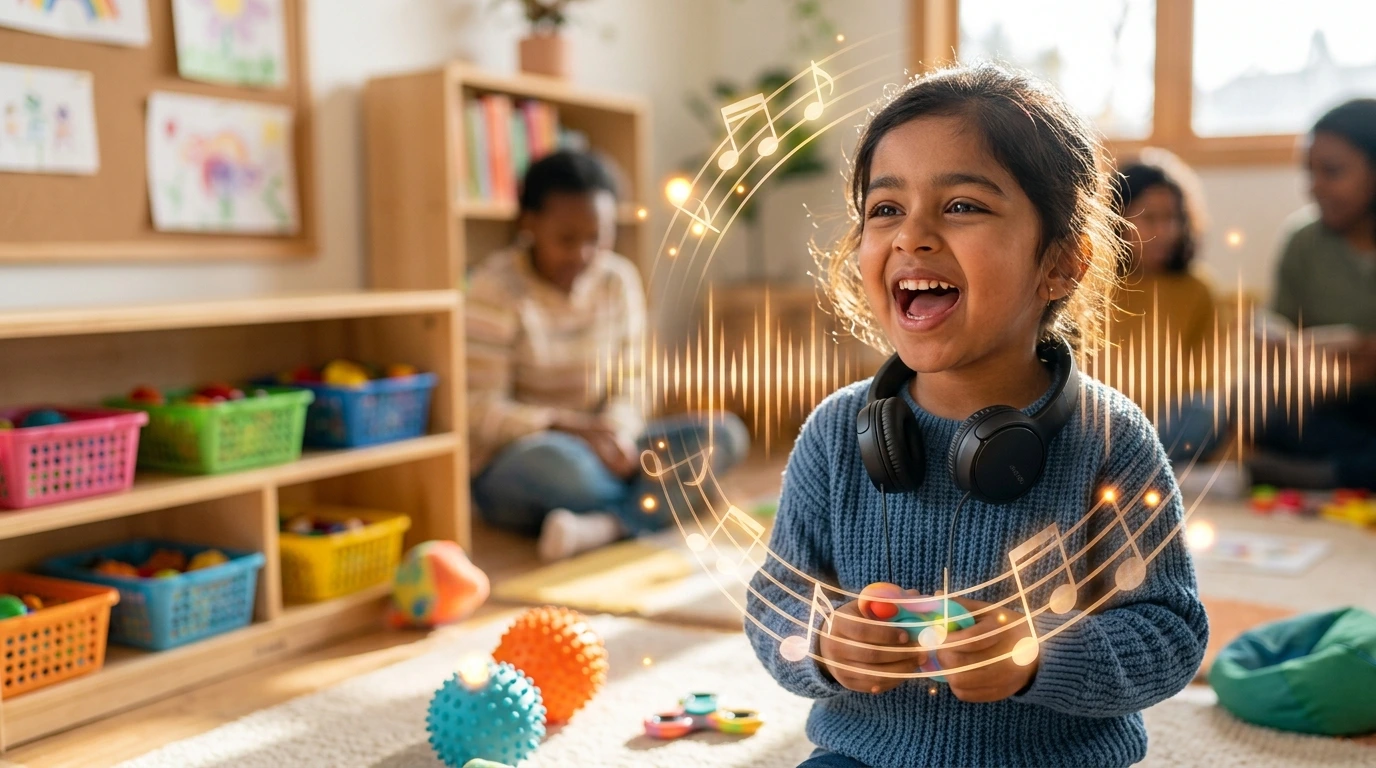
Many autistic people experience sights or sounds, smells, tastes and touch in different way.
Some may be very sensitive or less sensitive to:
- Loud sounds
- Bright lights
- Changed textures
- Strong smells
- Certain tastes
Some people may feel uncomfortable or stunned in noisy places. Others may enjoy additional sensory experiences such as moving around, touching objects or looking for different textures.
What Causes Autism Spectrum Disorder?
The professionals are still learning about what causes autism. There is no single recognised cause. Most professionals believe that autism happens due to a blend of different factors.
Genetics: Autism can run in families. Certain genes may make a person more likely to be autistic.
Brain Development Differences: Autistic people may have changes in how their brains grow and work. These differences can disturb communication or learning, behavior and sensory involvement.
Environmental Influences: Some environmental factors may also play a role alongside genetics. But, no single environmental factor has been confirmed to cause autism.
Myth vs. Fact: Some people trust that vaccines cause autism but this isn’t correct. Many scientific studies have shown that vaccines don’t cause autism. The childhood vaccines are safe and effective in protecting health.
Learning about these possible reasons for autism can help families better understand to autism and find the correct support when needed.
How Is Autism Diagnosed?
Doctors and specialists diagnose autism by watching how a person learns or communicates, behaves and interacts with others. Parents or caregivers and teachers may notice to symbols when a child is young. If there are fears, then a child may be referred for more assessment.
The diagnosis process may include:
- Developmental screenings to check a child’s growth and development
- Thorough evaluations of communication or behavior and learning skills
- Remarks on the child’s activities and interactions
- Questions for parents or caregivers and teachers
Professionals who may help with diagnosis include:
- Pediatricians
- Developmental experts
- Psychologists
- Neurologists
- Speech and language specialists
Autism signs frequently appear in early childhood but some people may be diagnosed later as teenagers or adults.
Why Early Support and Intervention Matter
When parents question “what’s autism and what should we do next”, early support is vital. Getting help promptly lets children learn significant skills with correct guidance.
- Better communication skills
- Improved social skills
- Better control of emotions
- More independence in everyday life
- Better regular activities and routines
Speech therapy: Speech therapy supports children learn to speak and connect better.
Occupational therapy: Occupational therapy supports with everyday tasks and sensory requirements.
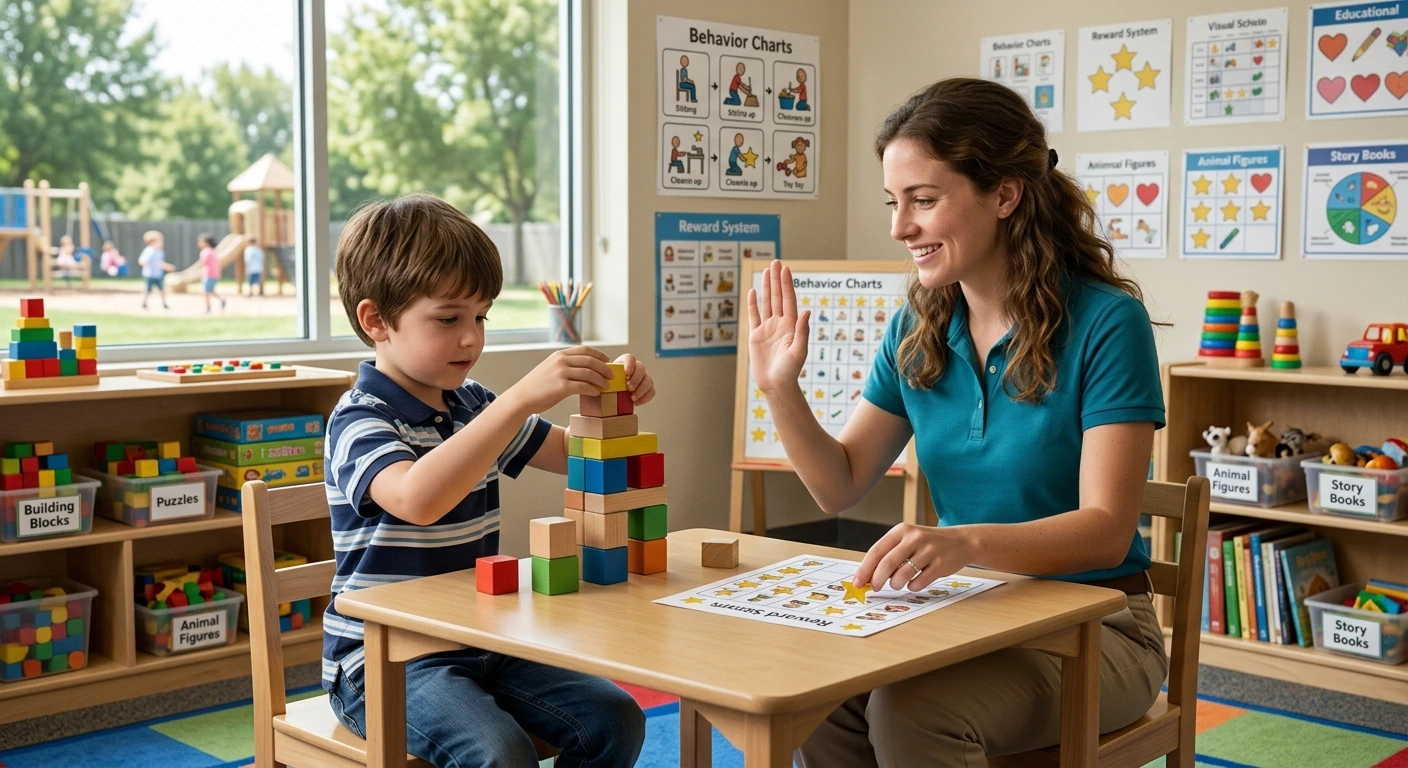
Behavioral support: Benefits children by teaching them positive behaviors and coping skills.
Early support should be tailored to each child’s needs. The families and caregivers also play a great role in helping children at home and in daily life. The children can gain confidence and recover their skills step by step with the correct support.
How Autism Spectrum Disorder Affects the Daily Life
Autism spectrum disorder disturbs each person in different ways. It can change that how a person learns or talks and interacts with others at home or school and work. Many autistic people can live happy and successful lives with the right support.
- At home, everyday routines and a clear structure support lessen stress and make life easier.
- At school, some children want help with learning or communication and sensory needs.
- In adulthood, some people work, study or live on their own with support.
- Families and communities are supported by giving care or understanding and support.
Early help and acceptance can recover life and independence for autistic people. Each person should be respected and given equal opportunities in society.
Common Misconceptions About Autism
There are many incorrect ideas about autism that can cause misperception and unfair judgment.
“Autism looks the same in everyone”
Autism is different for every person. It is named a spectrum which means people can have changed strengths or challenges and needs. No two autistic people are the same.
“People with autism have no emotions”
Autistic people do feel emotions exactly like others. They may show or express their feelings in changed ways but their emotions are real.
“Only children have autism”
Autism is a lifetime. It may be noticed in childhood, but autistic people remain autistic as they grow into teenagers and adults.
“Autism is caused by bad parenting”
This is not correct. Parenting does not cause autism. Autism is related to brain development and biological factors, not how a child is raised.
How Parents and Families Can Provide Support
Families play a very significant role in supporting autistic people.
Here are some helpful ways:
- Learn about autism spectrum disorder
- Make every day routines simple, clear and regular
- Encourage all kinds of communication (speech or gestures and pictures, etc.)
- Work together with teachers and doctors
- Appreciate and celebrate strengths and minor achievements
When families focus on strengths instead of only problems then it helps build self-esteem.
When to Speak with a Professional
When parents have any developmental concerns, then it is good to talk to a health professional. Early assistance provides families with the right guidance and support. It also helps determine whether the child needs more checking.
- Speech or language delay
- Less social interaction
- Difficulty understanding social symbols
- Boring behaviors
- Strong sensitivity to sounds or lights and touch
- Other developmental worries
Do not fear if you notice these signs as each child grows at their own pace. A trained healthcare professional can check the child and recommend the correct next steps. Early support can help improve learning or communication and total development over time.
Conclusion
In short that learning what autism is the primary step to understanding and supporting autistic people. Autism spectrum disorder disturbs that how a person talks or behaves, makes friends and perceives the world but each person is different.
Understanding to the meaning of ASD or noticing early signs and getting help from experts can support a child’s growth. Early help can help recover speaking or learning and everyday life skills. Most importantly, each autistic person has their own strengths or skills and talents. With care, acceptance and the correct support, people with autism can live happy or meaningful and successful lives with good chances.