As a parent, when you witness how your child pulls out his own hair, you feel fear and worry that cannot leave you. It is then that the thought arises: what might be the reasons for this behavior? This is what parents ask about their autistic children. Fortunately, hair pulling in autism does not imply anything critical.
Your child acts this way for a certain reason, but you are not aware of it at the moment. First of all, you should determine the root causes of the problem, pulling the hair. Autism affects your child’s perception of everything around him.
It is much better to define the underlying factors than to try to prevent this action. Once you sort out the reasons behind his actions, you will be able to teach them how to deal with bad emotions differently. In addition to the behavioral approach, parents often rely on ABA therapy Utah.
Why is Hair Pulling in Autism Common?
One type of less frequent complication that may occur among autistic children is hair-pulling, which is also referred to as trichotillomania. This behavior becomes chronic and nearly uncontrollable.
One of the primary facts you should mention first is that hair-pulling is not necessarily associated with autism. It can show up because of other concerns the child has to manage.
Children pull their hair because they enjoy the sensation it gives them. Another cause of hair pulling in autism is stress, as some kids pull their hair when they are anxious, irritated, or frustrated and unable to express their inner state otherwise.
Some children pull their hair simply because they are bored or lack activities. At some point, hair-pulling in autism might become an automatic response to certain situations or even small occurrences.
Getting the reasons behind this pattern will help parents and the folks who work with kids find ways that actually fit and are practical enough to use. So the central goal here is to meet the kids’ needs, not just discourage them from doing it, as if it were some simple habit.
When Hair Pulling in Autism Becomes Something More?
Hair-pulling in autism doesn’t always turn into a problem right away. But if it shows up frequently and it starts causing real harm, it should be looked at carefully.
Hair Pulling in Autism: Key Signs Parents Should Watch For
In case you observe one or more of the above symptoms, it is time to consult a health practitioner:
- Presence of hair loss and skin injury
- Increased pulling of hair when under stress
- Life activities are affected by it
- Inability to control the act
- In combination with emotional distress
It would be best if families could recognize such symptoms at an early stage.
Triggers of Hair-Pulling in Children with Autism
Hair-pulling in autism occurs in response to a specific trigger that can become clear through close observation of the situation in which it occurs.
Sensory Seeking or Sensory Overload
Some kids derive pleasure from plucking their own hair. Hair plucking may occur during sensory overload, in which the environment contains an excess of stimuli affecting one’s senses.
Emotional Dysregulation
Hair pulling may serve as an outlet for expressing emotions when one is feeling stressed, frustrated, angry, or sad and cannot express their emotions through speech.
Anxiety and Repetitive Behavior
Stressful experiences, routine disruptions, and repetitive behaviors can trigger hair-pulling.
Boredom/Lack of Engagement
During idle time, hair plucking may help entertain a kid.
Transitions/Sudden Change
Sudden changes or transitions within the environment may also cause hair plucking.
The better you know your kid’s triggers, the more easily you will manage to avoid stressful situations and direct your child towards alternative methods of coping.
Home-Based Strategies for Parents to Try
There is always the question of what parents can do prior to seeking outside assistance. Although increased frequency may require clinical intervention, these suggestions are quite effective in reducing the behavior.
Provide Your Child with an Alternative
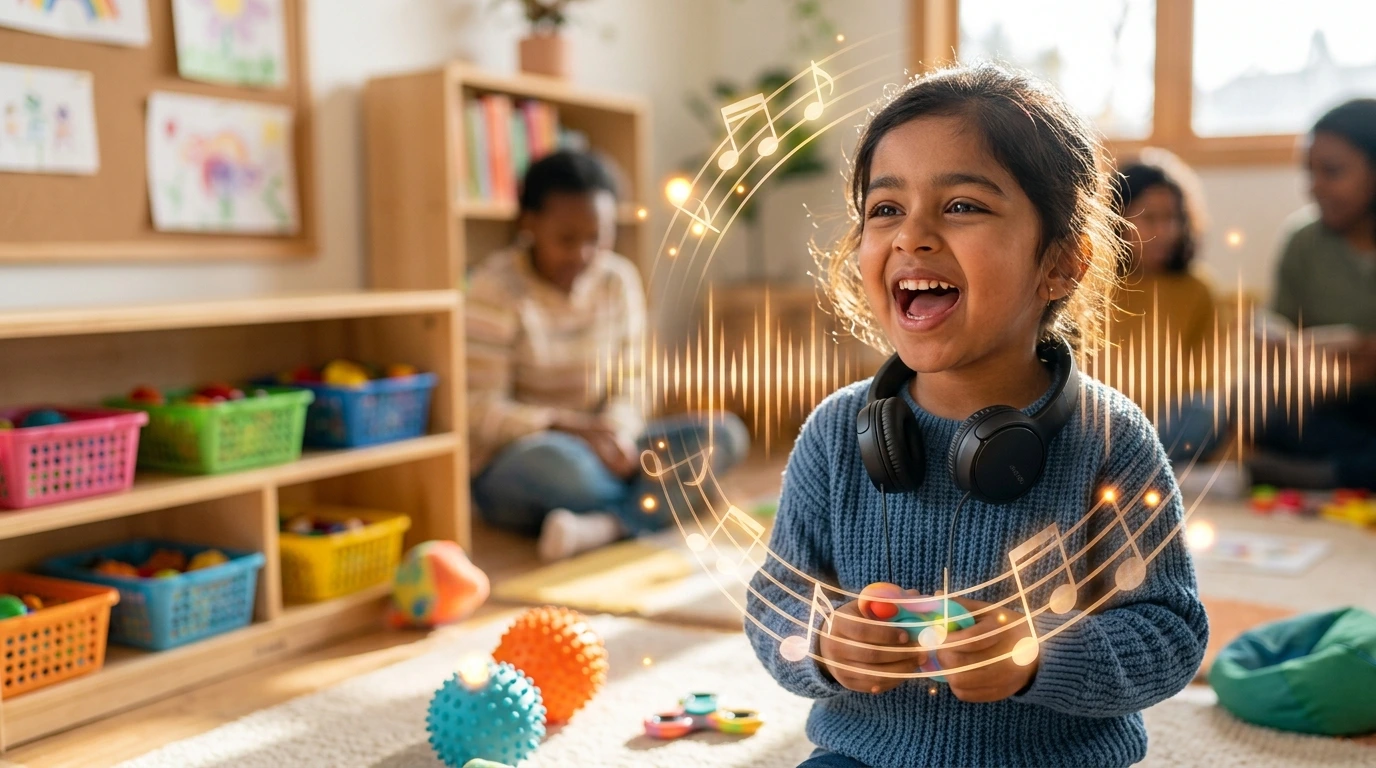
Give your child fidget toys, therapy putty, tactile fabric, or stress balls. This would give your child something to do when they feel the urge to pull on their hair.
Keep a Behavior Diary
Make sure to track all instances of hair-pulling along with their location and time. Make notes on everything that happened right before the hair-pulling.
Build Predictable Routines
A steady daily routine can help your child feel more secure. Visual schedules and reminders before changes can also make transitions easier.
Teach Calming Skills
Practice simple calming tools like deep breathing, stretching, or short sensory breaks. When used regularly, these can help your child better handle strong emotions.
Redirect Calmly
If your kid adopts such behavior, encourage him to choose the positive path without blaming him.
A couple of small changes in his routine can do wonders. But if he doesn’t stop even after that and the situation gets worse for you, then it is high time you sought help from an expert.
When to Seek Professional Help
When your child frequently engages in the practice and it causes any injury, it is time to seek help from experts. Early intervention in such cases would certainly do wonders for you and your child.
Some situations that may require intervention include the following:
- Your child is experiencing loss of hair or irritation of the skin
- Pulling of hair occurs mostly when your child feels stressed
- Hair pulling is interfering with his/her schooling or even daily activities
- Your child can’t seem to stop, even when you calmly step in
Such emotional responses, such as crying, anxiety, anger, or going into withdrawal, may occur prior to or following the behavior.
Support may come from a pediatrician, a Board Certified Behavior Analyst (BCBA), or an occupational therapist, depending on your child’s specific needs. Each professional views the behavior differently and can help create a tailored strategy.
How ABA Therapy Can Assist With Hair Pulling
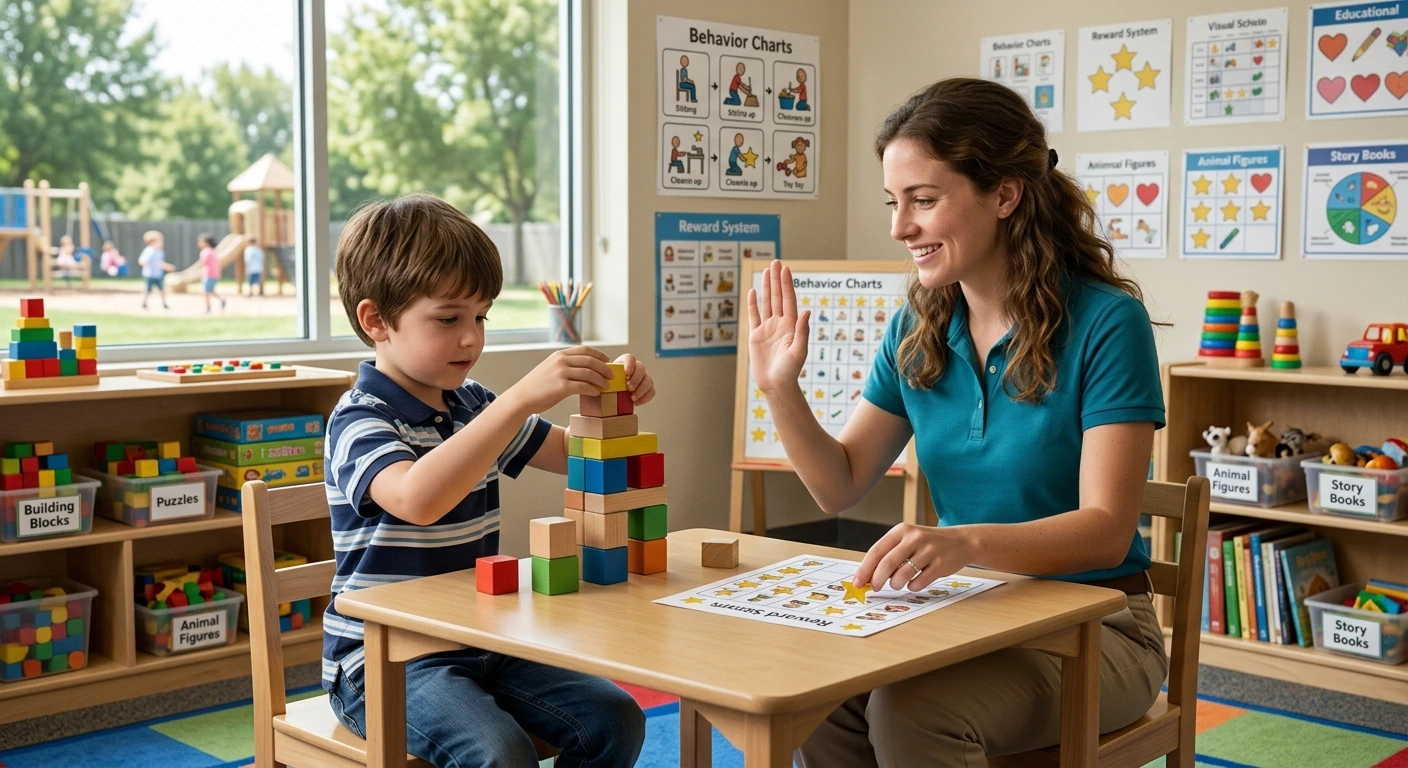
ABA therapy begins with a very basic premise: all behaviors have a function. Instead of immediately attempting to put an end to the hair-pulling, the BCBA tries to determine what benefit your child gains from this behavior.
This can be comfort, sensory stimulation, stress relief, or anything else, as determined through a Functional Behavior Assessment (FBA).
Once that picture is clear, ABA therapy develops a plan focused on safer alternatives.
It can help by:
- Figuring out what triggers the hair-pulling
- Teaching other ways to meet the same need safely
- Reinforcing positive coping skills when your child uses them
- Coaching parents so responses stay consistent at home and outside
- Tracking progress over time and adjusting when needed
Over time, kids start to build better ways to handle stress and sensory needs without relying on harmful habits. If you want to learn more, you can explore in-home vs. in-clinic ABA therapy and how it supports children in everyday life.
Conclusion
It is quite natural that, as a parent, you think of the worst situation when you find your kid pulling out hair. But, in actuality, there are always reasons behind such actions. Once you learn the reasons behind such actions, things become quite easy.
All that is needed from your side is patience and persistence. We at Reach Higher ABA adopt a much customized approach. Each and every child is unique in their own way, so we design our program keeping the individual needs of the child in mind.
Our main goal here is not only to teach your child some skills that help them function better in their day-to-day life but also to minimize such disruptive behavior. If you have concerns regarding hair-pulling in autism or any other such behavior of your kid, you can consider contacting us at Reach Higher ABA.