Before beginning any ABA therapy program, a question comes to mind pretty much immediately for most parents seeking help. How long does ABA therapy last? It is a very common query from parents, and honestly, there are no weird reasons for that.
You want to know how the future of your child and the whole family will change once you start such treatment programs. There is no clear answer for everyone. Every child reacts to therapy differently; some advance faster because their learning process is faster.
Some will need more time to build the basics. ABA therapy cannot be timed according to some set schedule. Therapy advances as your child advances through life. Now, this may seem quite complex initially if you don’t have a thorough understanding of the entire procedure.
This blog provides you with all the information about the duration of ABA therapy. It will give you an insight into the process of ABA therapy and what it generally means. In this blog, we will also show you factors that can influence the process’s speed and provide a typical family experience.
What is ABA Therapy?
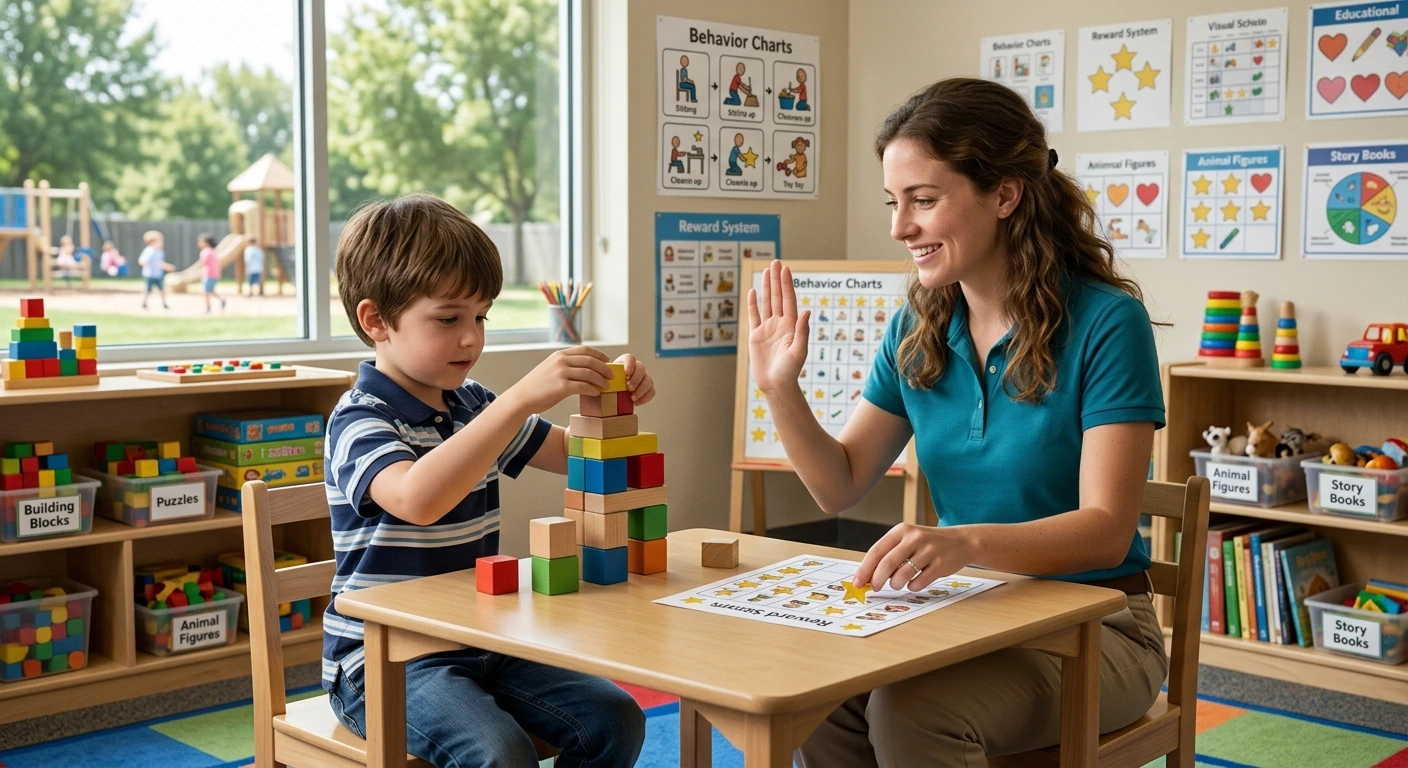
The full name of this type of therapy stands for “Applied Behavior Analysis“. ABA therapy helps a child to gain necessary life skills and diminish inappropriate behavior. Parents mostly consider this therapy for their autistic children. The therapy can assist in communication, education, socializing, routines, and becoming self-sufficient.
For instance, some areas where ABA can assist children include being able to:
- Request help using speech or signs
- Follow simple directions
- Sit for meals or school activities
- Play with others
- Handle frustration in a healthier way
- Get dressed or brush teeth independently
ABA breaks skills into small steps. Children learn one step at a time. As they improve, those steps turn into larger skills.
That is why ABA can have a significant impact on the daily routine of people around us. All children differ from one another, and hence, the duration of ABA therapy depends on individual cases.
How Long Does ABA Therapy Last?
Most children receive ABA therapy for anywhere from 1 to 5 years. Some children may need less time. Others may continue longer depending on their progress and goals. Many children start with a more intensive schedule and then reduce hours over time.
A common timeline may look like this:
| Stage | Estimated Time |
| Assessment and planning | 1 to 2 months |
| Intensive learning phase | 1 to 3 years |
| Practice and maintenance | 6 to 18 months |
| Gradual transition out | 3 to 6 months |
This timeline can change based on the child. Some children move quickly once communication improves. Some need more time because they are working on several areas at once. The most important thing to understand is this: ABA therapy should follow progress, not a calendar.
Why Every Child Has a Different Timeline
Children are unique. They learn at different speeds. They face different challenges. They also respond to therapy in different ways. One child may need help learning to ask for snacks, use the toilet, and follow routines.
Another child may need support with speaking, aggression, safety concerns, and school readiness. These are very different treatment plans. This is why comparing one child’s ABA progress to another’s will be very difficult: what might work for one child’s family will certainly not be suitable for another’s.
Here at Reach Higher ABA, we remain focused on your child. Real progress will determine how the ABA treatment is approached.
How Many Hours Does ABA Therapy Take for Children?
ABA therapy typically falls within the range of 10 to 40 hours per week. This depends on the child’s age and requirements. Some children might benefit from a highly concentrated schedule with reduced hours per week.
| Type of Program | Weekly Hours |
| Focused ABA | 10 to 25 hours |
| Comprehensive ABA | 26 to 40 hours |
Others may benefit from a more structured schedule with more frequent sessions. Session length can also vary. Some sessions last two hours. Others may last most of the day.
Younger children often begin with shorter sessions and increase slowly as they adjust. The goal is not to keep a child in therapy all day. Butl is to provide the right amount of support without overwhelming them.
What Affects How Long ABA Therapy Lasts?
Several factors influence the timeline.
Initial Skill Level
Children begin therapy with different strengths. A child who already uses words and follows routines may move faster than a child who struggles to communicate basic needs.
Age at the Start
Children who begin therapy early often gain skills more quickly. Young children learn rapidly because their brains are still developing. Early support can make a big difference.
The National Institute of Child Health and Human Development explains that early intervention can improve communication and learning outcomes.
Behavior Challenges
Some children need help with behaviors such as:
- Hitting
- Biting
- Running away
- Severe tantrums
- Self-injury
These goals require time and consistency.
Communication Needs
When children cannot express their wants or needs, frustration often rises. Once communication improves, many behaviors improve too.
Family Participation
Children usually make faster progress when families practice skills at home. When therapy strategies continue outside sessions, learning becomes stronger and more natural.
What Happens During the First Few Months?
The beginning of therapy often involves evaluation, planning, and relationship-building. A BCBA, or Board Certified Behavior Analyst, studies the child’s current skills and challenges. They also talk with parents about concerns and goals.
Families often talk about situations like:
- Their child has a hard time moving from one activity to another
- Asking for help does not come easily for their child
- Mealtimes often lead to emotional outbursts
- Morning routines for school feel stressful and overwhelming
Once goals are clear, therapy begins. The first few months often focus on building trust, establishing routine, and achieving early wins.
Children may learn how to:
- Follow simple instructions
- Sit for short tasks
- Request favorite items
- Transition with less stress
- Tolerate changes better
These first steps often bring hope to families who have felt stuck for a long time.
Why Some Children Stay in ABA for Several Years
Some children need support through different life stages. A toddler may first work on speech, play, and behavior. Later, that same child may need help with classroom skills, making friends, emotional control, and independence.
- Needs change as children grow?
- That means therapy may continue in different forms over time.
- This does not mean something is wrong. It simply means development continues.
Many children benefit from support during key transitions such as:
- Starting preschool
- Entering kindergarten
- Moving to middle school
- Preparing for teenage independence
How Do Families Know When Therapy Is Working?
Progress often shows up in daily life. Parents may notice:
- Fewer meltdowns
- Better communication
- Easier mornings
- Improved listening
- Better sleep routines
- More independent play
- Safer behavior in public places
Sometimes progress feels dramatic. Other times it comes in small moments. A child asking for water instead of crying can be a huge step. A child sitting through dinner for the first time can mean everything to a family. All these behavioral changes matter deeply.
When Does ABA Therapy End?
ABA therapy usually ends gradually, not suddenly. As children meet goals, therapy hours often decrease gradually. A child may move from full-time support to part-time sessions. Then they may move to occasional check-ins.
This gradual process helps ensure the child maintains and applies their skills independently, rather than depending entirely on sessions making ABA Therapy Last beyond the clinical setting. During this stage, both parents and therapists closely monitor the child’s progress. As the child continues to improve, the transition away from treatment is steadily carried forward.
Indicators That a Child Is Ready for ABA Termination
Children may be ready when they:
- Meet important goals consistently
- Communicate needs clearly
- Show fewer challenging behaviors
- Use skills at home and school
- Handle routines with less support
- Show growing independence
Parents often feel more confident, too. That confidence matters because families become the strongest support system once therapy ends.
Can ABA Start Again Later?
Yes. Some children return for support during new stages of life. For example:
- Trouble adjusting to school
- Social struggles in later grades
- Emotional changes during the teen years
- New behavior concerns
Returning to therapy does not mean failure. It means getting support when it is needed. Many families appreciate knowing help is available later if challenges appear.
How Reach Higher ABA Supports Families
At Reach Higher ABA, we know every child’s path looks different. We begin with careful assessments. Then we build goals around what matters most to your family. We track progress often. We adjust plans when needed. We acknowledge each step in the child’s development.
In addition, the most important people to work with during therapy are the parents, since therapy is most effective when families feel knowledgeable, empowered, and involved.
Conclusion
ABA therapy ends when it benefits your child’s development. For some children, that may be one to two years. For others, it may be longer. Some may return during important life changes. The real goal is not finishing quickly. The real goal is helping your child communicate, learn, connect, and feel more confident in the world. Every child deserves that chance. If you want to learn what ABA therapy could look like for your family, visit Reach Higher ABA today.