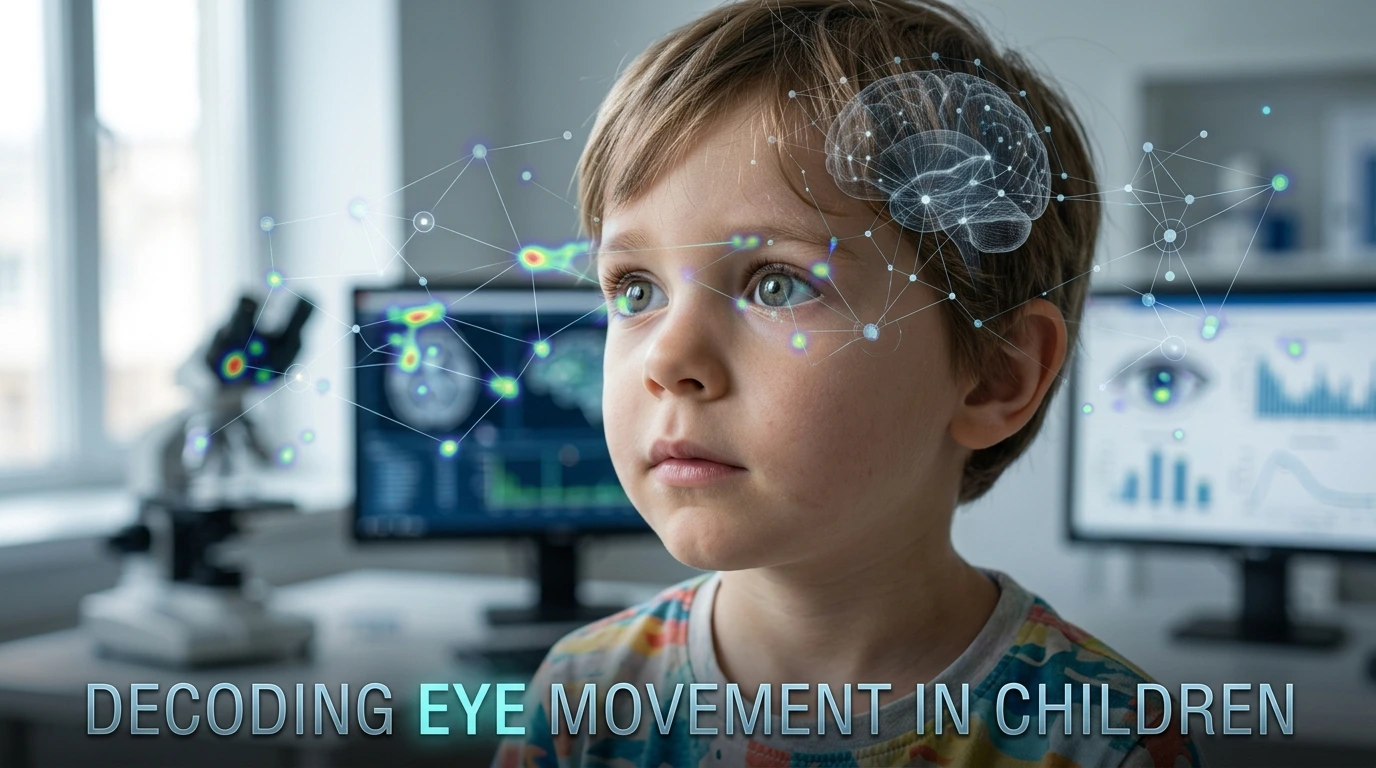
If you have ever seen something unusual or special about the way that an autistic child or adult looks, then you’re not the only one who has noticed this. Many autistic people have a unique way of seeing the world, which is very different from that of non-autistic people. They may look at things out of the corner of their eye, staring intensely at a spinning fan, or look away when you speak to them.
Understanding these patterns is good, but it doesn’t mean you have to fix how people see the different Levels of Autism. It’s about interpreting what those gestures convey about their internal experience, comfort, and sensory needs. Knowing the ‘why’ of these behaviors will help create a much more supportive and comfortable environment for them.
Typical Eye Movement Patterns
There is a strong association between eye movement and social communication in neurotypicals. Infants tend to look at human faces and scan them from an early age. They primarily use eye and mouth contact to read emotions, follow the conversation, and express social bonds. It occurs naturally and is one of the main means of communication with the outside world. This eye-to-eye contact helps the brain receive information about what another person is feeling or thinking.
Signs of Strange Eye Movements in Autism
For people with Autism Spectrum Disorder, visual tracking takes place at a different frequency. Parents, teachers, or caregivers may notice patterns that seem unusual. A child may follow an object’s movement by tilting their head oddly, stare at toys with an intense gaze, or become engrossed in repetitive actions like blinking lights or spinning wheels. These signs aren’t random; they likely reflect how their brains process information from the outside world.
Types of Strange Eye Movements
These movements typically occur in one of several forms and, for a specific person in a specific situation, serve a specific function.
Atypical Gaze Behavior
When talking to someone, an autistic person might look at an object in the room, their hands, or their mouth rather than in the person’s eyes. They may also use peripheral vision (out of the corner of their eye) more than central vision. This may make them appear uninterested when they aren’t. This may make them seem like they aren’t listening, even though they are listening very carefully and processing each word.
Repetitive Eye Movements (Saccades)
Saccades are rapid, jerky eye movements and occur as the eyes move rapidly from one point of interest to another. One thing you may notice with autism and hair pulling is repetitive blinking, squinting, or rapid side-to-side tracking movements. This can often be a type of visual “stimming”. It can be used to give comfort, create a nice visual effect, or help calm their nervous system.
Difficulty with Eye Contact
Making eye contact can be so uncomfortable, stressful, and even painful for an individual on the spectrum that it becomes impossible for them to do so. It takes a lot of brainpower to listen to someone’s words and the emotional information conveyed in their eyes. A large number of autistic adults describe how, in order to hear what is being said, they have to look away.
Sensory Overload and Eye Movements
If the environment becomes too loud, too bright, and too chaotic, the brain reaches a point of bottleneck. During periods of sensory overload, abnormal eye movements may increase. Someone may tightly shut their eyes, turn their gaze away completely, or engage in rapid visual stimming as a form of defense. This is a way they are trying to filter out all the excess sensory information in order to avoid anxiety or a meltdown.
Strategies for Supporting Individuals with Strange Eye Movements
Strategies can make environments and communication much easier, rather than forcing eye contact, which increases anxiety and reduces learning.
1. Visual Supports and Cues
Many individuals with autism are visual learners, which means visual tools such as picture schedules, visual timers, and clear icons are very beneficial. These are useful to provide the eyes with a steady, consistent point of focus. This eliminates the need to guess what to do throughout the day and reduces brain strain.
2. Sensory-Friendly Environments
The use of reduced bright fluorescent lighting, the reduction of background noise, and the clearing of cluttered walls will prevent sensory overload. If the room is a safe, relaxed space, the need for strong visual stimming will naturally subside.
3. Communication Strategies
Change the focus from “eye to eye with someone while talking to him/her. Instead, let the individual focus on the floor, a fidget toy, or turn them away. Clear, explicit verbal statements can replace subtle eye glances and facial expressions to convey your meaning.
Importance of Early Intervention
The ability to identify these unique visual patterns early in the child’s life is an important step. Families can learn about a child’s sensory profile much earlier if the child receives early therapy. If we understand what the child sees in the world, we can offer an AAC device before frustration, anxiety, or communication blockages develop.
Consulting Healthcare Providers
Sudden changes in eye movement, or if you feel you are not good to go with someone’s eyes, it is always best to seek the advice of a specialist. Physical vision problems can be addressed by a developmental pediatrician, a pediatric ophthalmologist, or an occupational therapist. They help distinguish visual behaviors from basic visual issues (such as needing glasses).
Therapy and Intervention Options
Sensory therapy is very helpful! It’s possible to create calming activities with the help of an OT. Speech-language pathologists can also assist with other communication techniques that do not rely on eye contact, allowing people to form real connections at ease and on their own terms.