ASD is a condition that disturbs how a person communicates or behaves and sees the world. Several people with Autism Spectrum Disorder (ASD) have special interests or repeat certain actions which help them feel calm and safe. One example is a strong interest in feet or things related to feet.
This behavior also recognized as Autism and feet obsession may include touching feet, watching shoes or smelling socks. It may look unusual to others, but it frequently helps with sensory requirements.
Families and caregivers may feel uncertain at first but understanding the cause can help them respond with patience and care. This is also called foot obsession in autism. Learning about its benefits creates a better understanding or acceptance and support for people with autism.
What is Foot Obsession in Autism?
Foot obsession in autism refers to a person paying close attention to feet, shoes, socks, or anything related to them. They may like watching them, touching them or paying attention to how they feel. This frequently happens due to sensory needs and repeated behaviors in autism.
- The person may like touching feet or shoes to feel calm
- They may retain removing or putting on shoes over and over
- They may like the feel, smell or look of footwear
- It can help them feel relaxed or comfy
Parents should respond to this behavior with patience rather than worry. With support and acceptance then children feel harmless and manage daily life well.
Why Does Foot Obsession Occur?
Foot obsession in autism happens due to changes in how a person feels or thinks and reacts to the world. It’s found in some autistic people and isn’t harmful. These behaviors frequently help the person feel calm and comfy. Understanding to this can help families offer better support and care.
Sensory Sensitivities
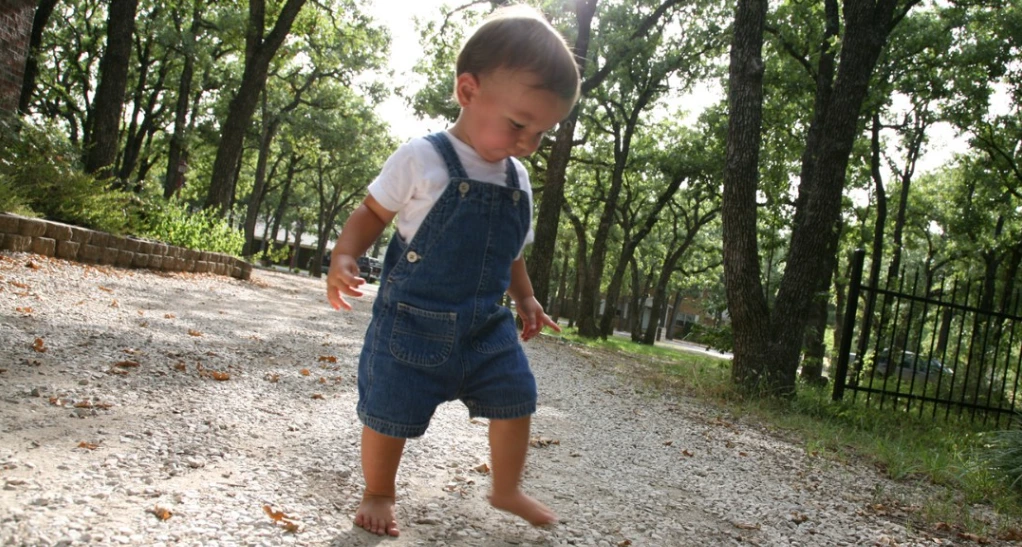
Feet are very sensitive as they have many nerve endings. Some autistic people like the feeling of socks, shoes or touching their feet. It can help them feel relaxed and calm. This is a way to meet their sensory desires.
Repetitive Behavior Patterns
Some people may repeat foot-related actions such as taking off their shoes or washing their toes. These actions feel harmless and familiar. They can become part of everyday habits. This helps lessen worry and offer a sense of comfort.
Comfort and Self-Regulation
Foot-related behaviors can help a person deal with stress or strong emotions. Touching or focusing on feet can help them feel calm and safe. It is frequently used when they feel overwhelmed. This helps them feel more balanced and in control.
How Foot Obsession Affects Individuals with Autism?
The effect of foot obsession in autism is different for every person and can change everyday life in many ways linked to autism sensory behaviors. For some people, it’s slight but for others, it may cause social or safety complications. When caregivers are aware of these behaviors then they can respond with greater patience and better support. Gentle guidance that respects sensory preferences is very significant.
Social Impact
Social situations can feel tough when others are not familiar with the behavior. This may cause misperception or embarrassment. Teaching simple social instructions in a kind way can help improve confidence and communication.
Safety Concerns
Some behaviors may pose safety risks such as taking off shoes outside or failing to observe danger. Careful watching and clear directions can help keep the person safe.
Supportive Approach
A caring and supportive environment helps reduce anxiety and makes the person feel understood. Consistent support and patience help in long-term improvement.
Coping with Foot Obsession in Autism
Helping a person with autism who has a strong interest in feet doesn’t mean fully stopping behavior. Instead, it means understanding that why it happens and guiding them to safe or healthy ways to express it.
1: Sensory Integration Techniques
People with autism may enjoy or seek out certain sensory experiences such as those related to the feet. These requirements can be supported in safe and healthy ways.
Some helpful ideas include:
- Using mats or toys with changed textures
- Giving soft and comfy socks and shoes
- Letting safe barefoot time inside the home
- Doing calming sensory actions like soft play or stress-relief tools
Occupational therapists can also recommend simple sensory activities that fit the person’s preferences.
2: Behavioral Interventions
Behavior methods can help a person learn clear limits and better habits kindly. Positive support works better than punishment. Praising good behavior and giving clear instructions can help make small enhancements over time. Professionals in autism behavior management use proven approaches to teach new skills while respecting the person’s desires and individuality. Being consistent and patient is significant as behavior change takes time.
3: Social Stories and Communication Strategies
Social stories are simple lessons that help autistic people know social rules and what’s expected in different situations. They also explain which behaviors are all right and which may make others uncomfortable.
Using pictures or easy words and repeated practice can support a person to learn:
- Private space and boundaries
- Respecting others
- How to act in social situations
- How to express sensory wants
Good communication helps a person know their surroundings well and build stronger relationships.
4: Encouraging Healthy Routine Development
Having an everyday routine helps autistic individuals feel harmless and calm. A fixed schedule with sensory activities, workouts and rest can lessen stress and reduce the focus on a single interest.
Healthy routines can include:
- Consistent exercise
- Fixed sleep time
- Healthy and balanced meals
- Intended sensory breaks
- Relaxing doings
A clear routine offers structure, lessens anxiety and helps keep up emotional balance.
Understanding the Need for Acceptance
Understanding autism acceptance means seeing behavior in a kind or clear and humble way. Many actions are not bad behavior, but only different ways of thinking, feeling and experiencing the world in everyday life. People with autism may react differently to sounds, touch or light and emotions due to sensory differences. Families should avoid blame and, with patience, care and empathy, seek to understand the underlying needs behind behavior.
Behavior is a Way of Communication: Many behaviors in autism express feelings, needs and uneasiness rather than bad behavior.
Importance of Patience: Listening carefully and giving time supports lessen the stress and build trust between people.
Creating Awareness: Teaching about autism in families and schools helps everyone become more understanding and kind.
Emotional Safety: Acceptance helps people with autism feel safe, valued or more confident in everyday life.
Acceptance doesn’t mean ignoring the problems. It means understanding or caring and showing respect, so people with autism can grow and do well in life.
Embracing the Diversity of Autism
Embracing to the diversity of autism means knowing to each autistic person is changed and should be treated with kindness or care and respect. Autism spectrum disorder means people may think or learn, talk and act in different ways. Some people are very skilled in certain areas while others may need more help in daily life. Some behaviors with autism and feet obsession may look strange to others but they can help the person feel calm or safe and comfy.
Many autistic people also experience sounds, light, and touch more intensely. At Reach Higher ABA, families are encouraged to understand the person rather than simply stopping behaviors. Support with communication, learning, and everyday tasks can help individuals grow. When people are accepted, they feel more confident and fulfilled. A kind and inclusive society helps everyone live better together.