For any parent, not being able to bring their child together with the other children at school feels like the worst nightmare. Your kid might talk on and on, and they can somehow tell you all the details about dinosaurs. But then, when you ask how their day went, they just can’t really explain it. That’s because for them, change is a really heavy thing.
The teachers will tell you they are “gifted but different,” and you will find yourself pondering what that means. These may be the indicators of Asperger’s disorder. Asperger’s disorder is one of those conditions that sit under Autism Spectrum Disorder (ASD).
This article provides info on Asperger syndrome symptoms, causes, diagnosis, and possible treatment options.
What is Asperger’s syndrome?
Asperger syndrome is a neurodevelopmental condition, typically characterized by challenges in social skills, behavior, and communication. People may notice it shows up in how they interact day to day, not just in one area. The patients have abnormal ways of thinking and are preoccupied with their unique interests.
The patients have excellent language skills and are good at studying subjects that interest them academically. However, the patients have trouble socializing, making facial expressions, using sarcasm, and provoking emotions in others.
Parents usually refer to their children as geniuses but socially challenged. For example, a child could name all the moons of the planets but freeze on greeting from a fellow student. That gap between smart thinking and social skill sits at the heart of the condition.
Boys are diagnosed maybe three to four times more often than girls. The diagnosis is usually done between the ages of five and nine, though for some kids, signs appear as early as age three.
Girls often end up not being diagnosed because they keep their symptoms fairly concealed and they imitate their peers, kind of well. This makes early parent observation especially important.
Difference between Asperger’s Syndrome and Autism Spectrum Disorder
This part confuses many parents. In 2013, the medical field merged Asperger’s into the Autism Spectrum Disorder umbrella category. The diagnosis “Asperger’s” doesn’t appear on any official chart anymore. The diagnosis used instead is “ASD without intellectual or language impairment.”
But the term has been retained for its popularity among parents, teachers, and even professionals because it carries more clarity than a generic term would.
Whether you refer to yourself as an “Asperger’s individual,” a “high functioning autistic person,” or even an ASD level 1 individual, there won’t be much difference in your experiences. The important thing is the amount of support your child receives from the proper people.
Symptoms of Asperger’s Disorder
Even though every child with autism spectrum disorder has their own particular bunch of symptoms, there are usually a couple of common features you can notice. One is the trouble with socializing, and the other is really intense, sometimes even very strong areas of interest.
In many cases, these children seem to use monotone speech and have odd speech patterns that stand out. They may show limited eye contact. Also, they can find it hard to take part in meaningful conversations.
Here are some more symptoms you may observe:
- Inability to make age-appropriate friends
- Inability to understand and interpret body languages
- Tendency to talk solely about one interest
- Deep obsession with narrow interests
- Big reactions to small routine changes
- Repetitive movements like hand-flapping
- Memorizing facts and scripts with ease
- Clumsy movements or messy handwriting
- Emotional outbursts when overwhelmed
- Trouble reading how others feel
- Strong reactions to loud sounds or bright lights
The majority of children develop speech on schedule and have large vocabularies. However, they find it difficult to handle the social aspects of language. Their IQ usually falls in the average or above-average category, although there may be problems with concentration and organization.
Recognizing these symptoms early allows you to seek help that will greatly influence your child’s future.
What Are the Causes of Asperger’s Syndrome?
To date, the reasons are unclear. Genetic predisposition and some variations in brain functioning are considered by many scientists as causes, but there is no one factor causing all cases of Asperger syndrome. Some studies indicate the tendency of the disorder to cluster in families.
One important truth needs to be understood: you cannot blame yourself. It is not because of any poor parenting on your part that your child suffers from Asperger syndrome. It was just an issue of how the child was built in terms of perception.
How to Diagnose Asperger’s Syndrome?
There is no blood test or brain scan that can give a totally clear yes-or-no answer. But it often requires time, patience, and, most importantly, an appropriate evaluation by the appropriate professionals, rather than a single test.
You should first contact your pediatrician, particularly if there is anything unusual about your child’s social skills, communication, or repetitive behaviors. In case of doubt, remember to provide as much information as possible, as this will help your pediatrician recommend a developmental pediatrician, child psychologist, or even a neurologist specializing in autism diagnostics.
The specialists will then ask numerous questions concerning your child’s development and behavior in various situations, both at home and at school. After that, they usually play with your child, use standard tests, and closely examine their language and cognitive development. They may also perform a physical examination to rule out other conditions that can resemble Asperger’s.
And this is where it gets complicated. Asperger syndrome can also overlap with a lot of symptoms seen in ADHD, OCD, and oppositional defiant disorder. The puzzle is put together by following the evolution of communication, social skills, and behaviors throughout life.
A qualified team, such as an ABA Therapist in Utah, is considered by parents to identify behavioral issues and reach the right diagnosis.
How Is Asperger’s Syndrome Treated?
There is no one-size-fits-all treatment option. Each child requires an individual treatment approach, which changes over time as they develop.
The right combination may include:
- Social skills training
- Cognitive behavioral therapy (CBT)
- Speech and language therapy
- Occupational therapy for motor and sensory needs
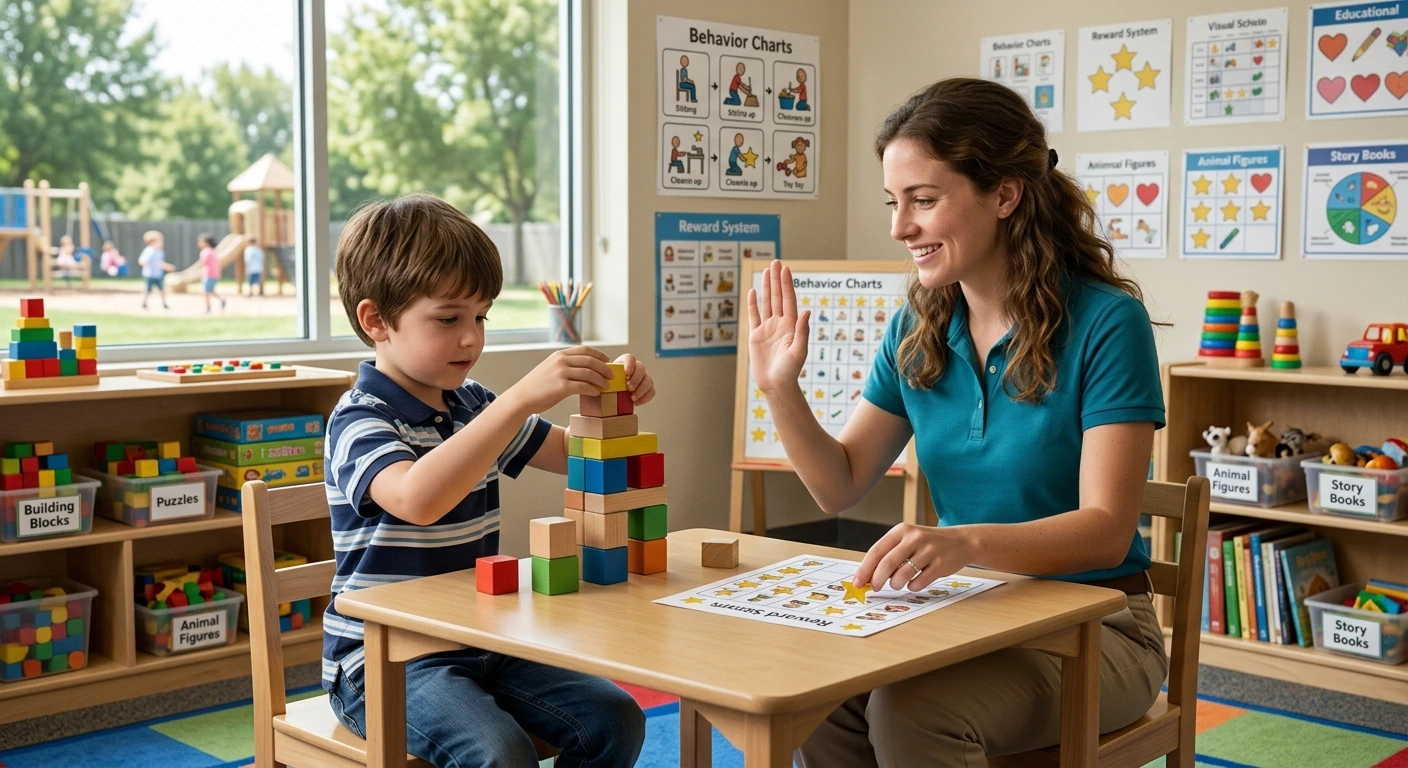
- Applied behavior analysis (ABA) for behavior support
- Parent training and family coaching
- Special education support at school
- Medication for related concerns like anxiety or attention
There is no cure for Asperger’s syndrome, and most people will probably agree that there is no cure needed. What you need is for your kid to learn about his own brain, cope with his condition, and live a happy life just being himself.
There are many successful adults with Asperger syndrome who work in occupations they enjoy and help others. Learn how personalized ABA therapy can make this happen. A certified ABA Therapist brings real structure to that progress through proven ABA therapy strategies.
When Should You Seek Help?
The earlier you act, the more your child’s growing brain can adjust. If you see red flags, missed social milestones, obsessive interests that block daily life, or big meltdowns over small changes, trust your gut and call your pediatrician.
Waiting for signs to “pass” often costs the very years when help works best. Your pediatrician can point you to specialists who diagnose and treat spectrum conditions. The early intervention is not going to “repair” your kid because your child is not broken.
Instead, it will provide kids with all the necessary knowledge, skills, and self-understanding to become the best version of themselves and to show the way ahead to their entire family. Together with both you and your child, Reach Higher ABA takes the journey down the road. We will create an individualized plan for your child based on their strengths, partner with your family throughout our work together, and implement evidence-based interventions to develop social skills and minimize meltdowns. Schedule your appointment today!