Applied Behavior Analysis determines how kids acquire language, behavior, and self-care skills. In Utah, parents usually become aware of the ABA technique shortly after receiving a diagnosis or information about developmental delay.
What becomes a challenge for parents at this stage is determining whether the environment used during ABA is important. This is an extremely critical issue since it can influence how quickly the child adapts to new ideas.
While some children learn faster at the ABA center, others adapt quickly to learning in a familiar environment, such as the house. Both environments have qualified therapists who use identical ABA strategies.
In essence, professionals use reinforcement, prompting, and repetition as teaching strategies to enable children to learn rapidly.
Understanding the Idea of Applied Behavior Analysis within a Family Setting
This is an easy technique that the family can use to enhance the child’s communication, behavioral, and social skills. For example, in applying ABA therapy in Utah, families can help their children become independent with household duties.
Most parents can detect changes in focus, language skills, and emotional control after therapy. It is not about guessing things; therapists collect data to monitor progress. As a result, many families find it a relief as they have found an organized direction rather than confusion.
Where Applied Behavior Analysis Is Applied
Applied Behavior Analysis does not confine itself to a single space. It can happen in a clinic, at home, or even in community settings like parks or stores. Each location serves a purpose. Clinics focus on structure. Homes focus on daily routines. Community settings focus on real-world practice.
This flexibility gives Utah families options that match their lifestyles. It also means no single model fits every child. The environment becomes part of the therapy itself, shaping how skills develop and transfer into real life.
In-Home ABA Therapy in Utah
In-home ABA involves bringing professionals into the child’s immediate environment. Rather than having therapy take place within the confines of a treatment room, the therapy occurs in the comfort of one’s own living room, kitchen, bedroom, or backyard.
Through in-home ABA, children receive their lessons in realistic environments. The child will practice their communication skills not only in lessons but also while eating, playing, and sleeping.
This model creates a natural learning environment. Kids encounter things they know, hear sounds they recognize, and meet people they know. This familiarity often helps relieve stress and reluctance.
Families from Utah tend to go for in-home treatment any time they need help, which can blend into their lives without separating therapy from regular living.
How Does In-Home ABA Therapy Work?
The process begins by setting clear objectives within an in-home ABA therapy program. First, a BCBA creates a behavior intervention program tailored to a child’s needs. Second, the therapists provide one-on-one therapy for children, including sessions conducted at home.
It involves training sessions where they learn how to do things like brush their teeth, clean their toys, and ask for help from others. The therapists assist the child with each step while encouraging them to do the right thing, not the wrong thing.
Involvement of parents is quite typical. During sessions, parents receive information on how to handle children during everyday activities. Therefore, in-home therapy appears to be quite educational.
Daily Routines and Natural Learning
In-home therapy connects directly to daily routines. A child might learn to request food during mealtime or follow instructions while getting dressed. These small moments create powerful learning opportunities because the child applies skills immediately in real situations.
This natural learning style helps children understand why a skill matters. They do not learn in isolation. They learn in context. This relationship may enhance memory and foster self-sufficiency in the process.
Role of Parents and Caregivers
The presence of parents is crucial in in-home ABA therapy. They witness the entire session, question the therapist, and implement techniques under their supervision. Such interaction facilitates continuity in daily activities, not only during therapy time.
The caregivers become more confident since they know what needs to be done and why. They do not rely only on therapy sessions for progress. They become active participants in their child’s development.
Benefits of In-Home ABA Therapy
In-home ABA therapy offers several strong advantages for families in Utah. Comfort is the main advantage. The children feel safe in their environment, leading to less anxiety and better cooperation. Comfort allows the therapist to focus on developing skills rather than changing behaviors due to a new environment.
Comfort and Familiar Environment
Children learn best when they feel secure. Home naturally creates that sense of safety. They recognize their space, toys, and routines. This familiarity helps them stay calm during sessions. When a child feels relaxed, they engage more.
They respond better to instructions and show fewer avoidance behaviors. That engagement speeds up progress and helps therapy feel less stressful for both the child and family.
Strong Parent Involvement
In-home therapy naturally includes parents in the learning process. Parents do not just receive updates. They watch sessions and participate when appropriate. This involvement helps them understand strategies clearly and apply them throughout the day.
That consistency matters. Children often respond better when everyone uses the same approach. In-home therapy builds that alignment between therapists and families.
Real-Life Skill Generalization
Skills practice happens right where it is needed. Children acquire the ability to feed themselves from their plates, clean their toys, and talk to their family members. As a result of the direct connection, generalization improves, allowing children to use their learned skills at other times.
Problems Related to In-Home ABA Therapy
But there are also some problems with in-home therapy that parents should be aware of when deciding on such an intervention. Even if the environment seems familiar to a child, it still poses certain difficulties.
Natural Distractions in Homes
The first problem is the natural distractions of any house: TV, dogs, children’s toys, and visitors who may drop by. These distractions are highly likely to divert children’s attention elsewhere.
Space limitations can also affect how activities run. Some exercises require open areas or specialized materials that a home may not always support.
Fewer Chances to Interact With Peers
In-home ABA therapy is solely based on individual therapy sessions. In-home therapy offers little scope for children to socialize with their peers. There may be instances when some siblings participate in the therapy session; however, they may not have the chance to socialize with their peers as they do in the clinic.
Families generally compensate for this lack by opting for more community therapy sessions.
ABA Treatment in Clinic Settings in Utah
The ABA treatment in clinics is conducted in an environment specifically created to enable learning and development. Clinics set up a controlled environment with no distractions, keeping learning on track.
Things That Go On in an ABA Clinic
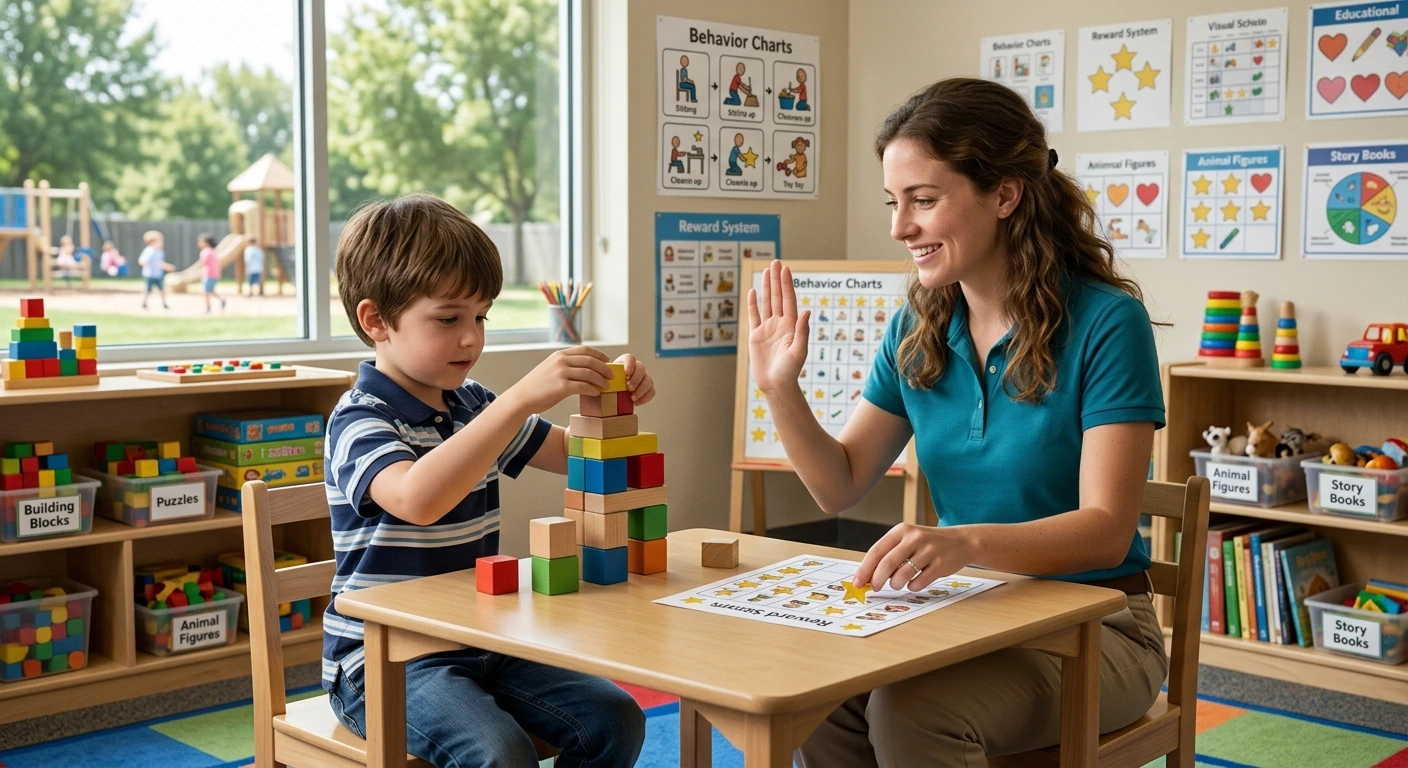
In a clinic, children participate in various sessions that may include skill-building exercises and play. Rooms stay organized with specific learning tools that support therapy goals. This setup helps children quickly understand expectations. They learn when to focus, when to play, and when to transition between tasks.
Structured Learning Environment
Clinics provide consistent routines. That consistency helps children who struggle with unpredictability. They know what comes next, which reduces anxiety and increases participation.
Role of Therapists and Supervision
In clinical settings, BCBAs receive supervision all day long. This provides a setup that allows program changes to be made faster and with higher quality. There is also teamwork among therapists that adds to consistency.
Advantages of Clinic-Based ABA Therapy
A clinic-based approach to Applied Behavior Analysis offers certain benefits.
Fewer Distractions
Clinical facilities minimize external interruptions. This environment helps children focus deeply on tasks without interruptions from home activities. That focus often leads to faster skill acquisition.
Peer Social Skill Development
Clinics naturally bring children together. That setup creates opportunities for sharing, turn-taking, and group learning. These peer interactions build important social skills that support school readiness.
Intensive Therapy Support
A higher level of intensity is usually provided in clinic settings, as they can offer more time and repetitions for a child to develop basic skills.
Problems with the ABA Therapies in Clinics
The clinic-based therapy model also needs some dedication from parents. They will be forced to travel to the facility.
Traveling to the Facility
Traveling is a major issue that affects many parents. The process involves taking the necessary time to get to the facility.
Adjustment to New Environments
Some children need time to adjust to unfamiliar spaces. They may feel overwhelmed at first, which can slow initial progress until they feel comfortable.
In-Home vs Clinic Utah ABA Therapy Comparison Table
| Feature | In-Home ABA Therapy | In-Clinic ABA Therapy |
| Environment | Familiar home settings | Structured clinical space |
| Focus | Daily routines | Skills building and social learning |
| Parent involvement | High | Moderate |
| Peer interaction | Limited | High |
| Distractions | Higher | Lower |
| Flexibility | High | Moderate |
How to Decide the Right ABA Setting
Child Needs and Behavior Profile
Some children need calm, familiar environments. Others need structured spaces with fewer distractions. The child’s behavior pattern guides this decision.
Family Lifestyle and Logistics
Families must consider transportation, schedules, and availability. In-home therapy fits busy families. Clinics fit families who can manage travel.
Social Development Priorities
Children who need peer interaction benefit more from clinics. Children who need routine-based learning often benefit more from home settings.
The Hybrid ABA Therapy Model in Utah
Combining Home and Clinic Services
Many families choose both settings. This approach allows children to learn structured skills in clinics and practice them at home.
Real Examples of Hybrid Success
Some children attend clinic sessions for social skills and receive home sessions for daily routines. This balance often produces strong long-term outcomes.
Insurance, Costs, and Accessibility in Utah
Most insurance plans in Utah cover Applied Behavior Analysis in both settings. Coverage often includes assessments, therapy hours, and supervision.
Support From ABA Providers
Providers help families verify insurance, explain coverage, and guide them through approval steps. This support reduces stress and confusion.
Concluding Remarks
Learning is unique for each individual. While some children flourish in clinics, others learn better at home. In either case, it’s important to consider factors such as environment, objectives, and personal preference. There’s no guesswork needed for families living in Utah. They have the opportunity to discover which path best suits their needs.