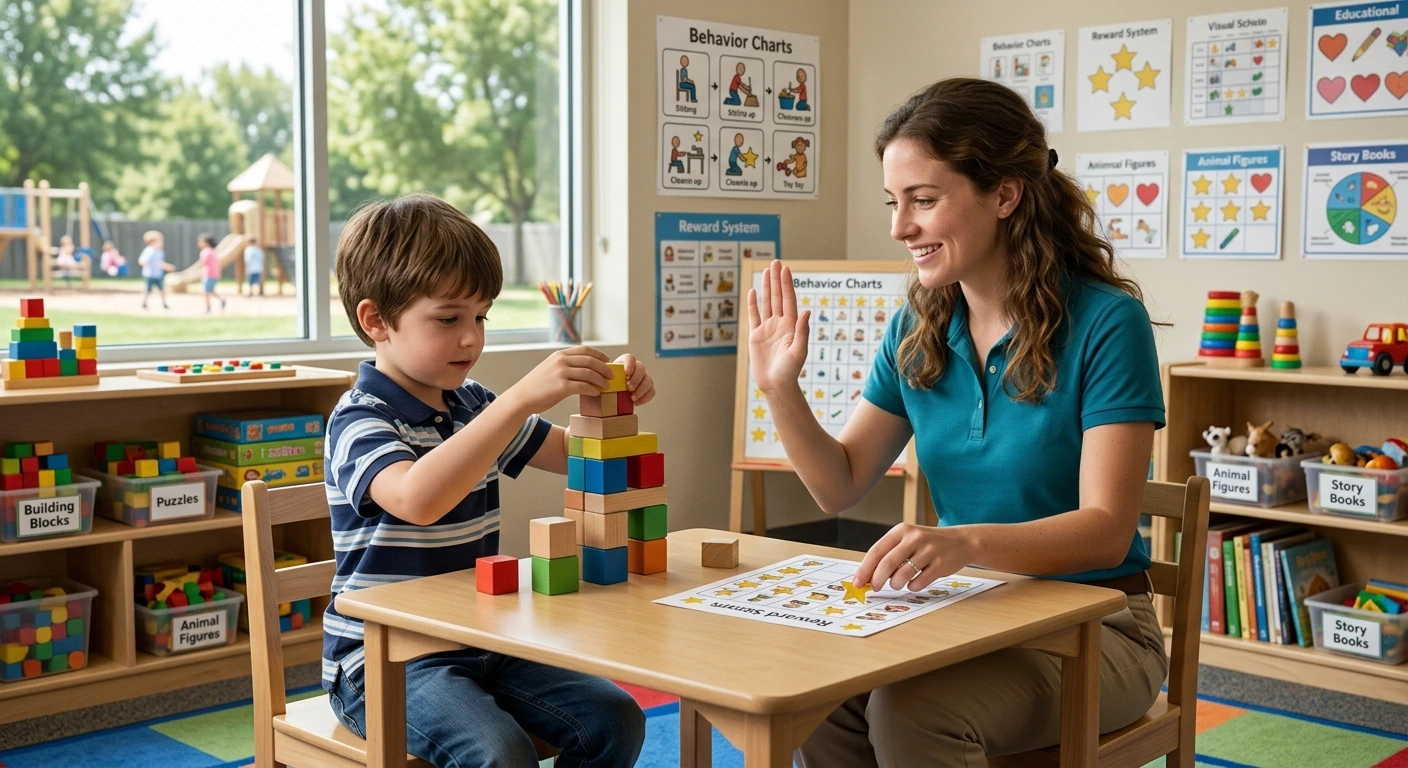
Finding the right support for a child who needs help with behavior and development can be tough for many families in Colorado. There are many ABA therapy choices, so it can be unclear to know which provider offers good care, experience and support for families.
Applied Behavior Analysis (ABA) is a supportive technique that teaches children significant skills like communication, social interaction, learning and everyday life skills using simple and structured steps.
But the success of therapy depends on picking the correct provider and working closely with therapists. That’s why choosing the Best ABA Therapy Provider in Colorado is one of the most key decisions parents can make for their child’s future development and independence. This guide helps families know the procedure.
What is ABA Therapy and Why It Matters
ABA therapy (Applied Behavior Analysis) is a simple and organized way to support children in learning good behaviors. It teaches significant life skills in an easy and step-by-step manner. This method also helps reduce challenging behaviors and supports healthy growth. ABA therapy is reliable because it is grounded in research and has shown positive effects.

Children can improve in many important areas with ABA therapy:
- Communication and language skills
- Social interaction skills
- Managing emotions
- Everyday life routines
- School learning skills
Overall, ABA therapy helps children become more independent and assured. With consistent support, children learn better skills that support them at home, in school and in everyday life.
How to Choose the Best ABA Therapy Provider in Colorado?
Selecting the correct ABA Therapy Provider in Colorado is very significant for a child’s development. Parents should search for providers that use safe, verified and ethical approaches. Good care depends on trained professionals and consistent support for the child. A strong provider also works closely with families throughout the therapy procedure.
- Certified BCBAs make certain treatment is safe and effective.
- Every child gets a personal plan centered on their needs and skills.
- Families learn Applied Behavior Analysis approaches to support learning at home.
- Parents get regular updates to get the child’s progress clearly.
A good ABA provider centers on long-term improvement, communication skills and positive behavior changes. Consistent tracking and parent involvement support children in learning and recovering step by step.
Selecting the right ABA Therapy Provider helps families achieve better outcomes through appropriate, structured care. When therapists and families work together, children make steady progress and get better outcomes in the long run.
Importance of ABA Techniques for Parents
One key part of ABA therapy is that parents support their child’s learning at home. This creates learning that is stronger and more actual. Learning ABA techniques for parents helps children practice skills outside of therapy sessions. It also brings consistency in how behavior is managed and how new skills are taught. When parents stay involved, children recover more quickly in communication, learning, and everyday life skills.
Parents can:
- Give rewards and praise to encourage good behavior
- Reply the same way each time to lessen problem behaviors
- Use simple words and directions to recover communication
- Support children to become more independent in everyday routines and self-care
When these approaches are used consistently at home, children show better behavior and gain more confidence over time. Parents become significant partners in their child’s development and learning.
With patience and everyday practice then children create steady progress, and the full family benefits in the long run.
ABA Strategies Used in Therapy
Therapists use simple Applied Behavior Analysis (ABA) approaches to help children learn new skills. These approaches use watching, repeating, and giving rewards to encourage good behavior. They are used in clinics and at home to help children learn steadily.
- Giving rewards supports children in repeating good behavior.
- Breaking tasks into minor steps makes learning easier.
- Prompting means guiding the child when required.
- Modeling means viewing the right behavior for the child.
- Being consistent benefits children who learn more quickly and better.
ABA approaches support children in learning step by step in a simple, clear way. They make learning stress-free by using support, practice and rewards. With consistent use, children can recover their skills and become more independent.
The Role of Parent-Led ABA Activities
Parent-led ABA activities are very significant for a child’s progress. Learning doesn’t only happen in the clinic; it also continues at home in everyday routines. Parents can support their child by using simple things that support therapy goals.
For example, throughout meals, they can ask easy questions and encourage the child to talk. Throughout playtime, they can teach sharing and taking turns. Visual schedules can help children know what to do every day.
Parents can also give rewards for good behavior, such as brushing teeth, doing homework, or cleaning toys. These minor activities make learning easy and part of normal life. Parent-led ABA activities support children in becoming more confident, recovering communication and building a stronger bond with their parents.
ABA Learning Strategies That Support Long-Term Growth
Children learn better when they follow simple, structured and repeated learning steps. These approaches help them recover communication or behavior and regular life skills. When children practice in real life then their learning becomes more durable and longer-lasting.
Repetition and Practice: Children do the same skill various times until it becomes easy.
Natural Environment Teaching: Children learn at home or school and outdoor places.
Reinforcement Systems: Rewards such as praise or small treats help children stay motivated.
Visual Supports: Pictures, charts and schedules help children know well.
These approaches support learning to become part of everyday life. Children slowly become more independent and confident. ABA learning approaches offer steady support so children can grow and use their skills in different places.
How Parents Can Choose the Right Provider
Selecting the right therapy provider is key to a child’s development and future progress. Parents should cautiously look at different choices, know their services and check their involvement. A good option supports the child to get better support, clear guidance and positive therapy effects.
Research Multiple Providers: Look at changed providers or their services, reviews and techniques before selecting.
Ask About Experience: Question how long they have worked with children with similar requirements.
Observe a Session: Watch a therapy session to see how therapists work with children.
Check Family Involvement: Make certain parents are included in training and progress updates.
Evaluate Communication Style: Select a provider who talks clearly, kindly and habitually with families.
The correct provider benefits children which helping them learn new skills and grow with confidence. Parents should stay involved and continue to check progress for the best results.
Common Mistakes Parents Should Avoid
While selecting the best ABA therapy provider in Colorado then parents sometimes make simple mistakes.
These mistakes can slow a child’s progress and disturb therapy results. Knowing what to avoid helps families make better selections. Good planning offers children steady and actual support.
- Selecting only based on low price can lower therapy quality.
- Not checking therapist skills and involvement can lead to weak results.
- Not asking how progress is tracked makes it tough to get improvement.
- Not involving family lessens learning practice at home.
- Expecting fast effects can lead to disappointment.
When parents avoid these mistakes, children learn better and create steady progress. Consistent support at home and in therapy helps children build key skills and achieve long-term success.
Final Thoughts
In short that the ABA Therapy Provider in Colorado plays a vital role in a child’s learning and development, particularly when families are involved. ABA therapy works best when parents take part and use the learned approaches at home each day.
Understanding and using ABA techniques for parents can help a child recover their communication, behavior, and everyday life skills. When parents join therapy sessions and follow professional guidance, children show steadier improvement. Simple everyday routines, positive rewards and step-by-step learning support children to learn better over time.
When families and providers work together then children become more confident and independent. This teamwork leads to better learning effects and long-term progress, improving the child’s whole quality of life.