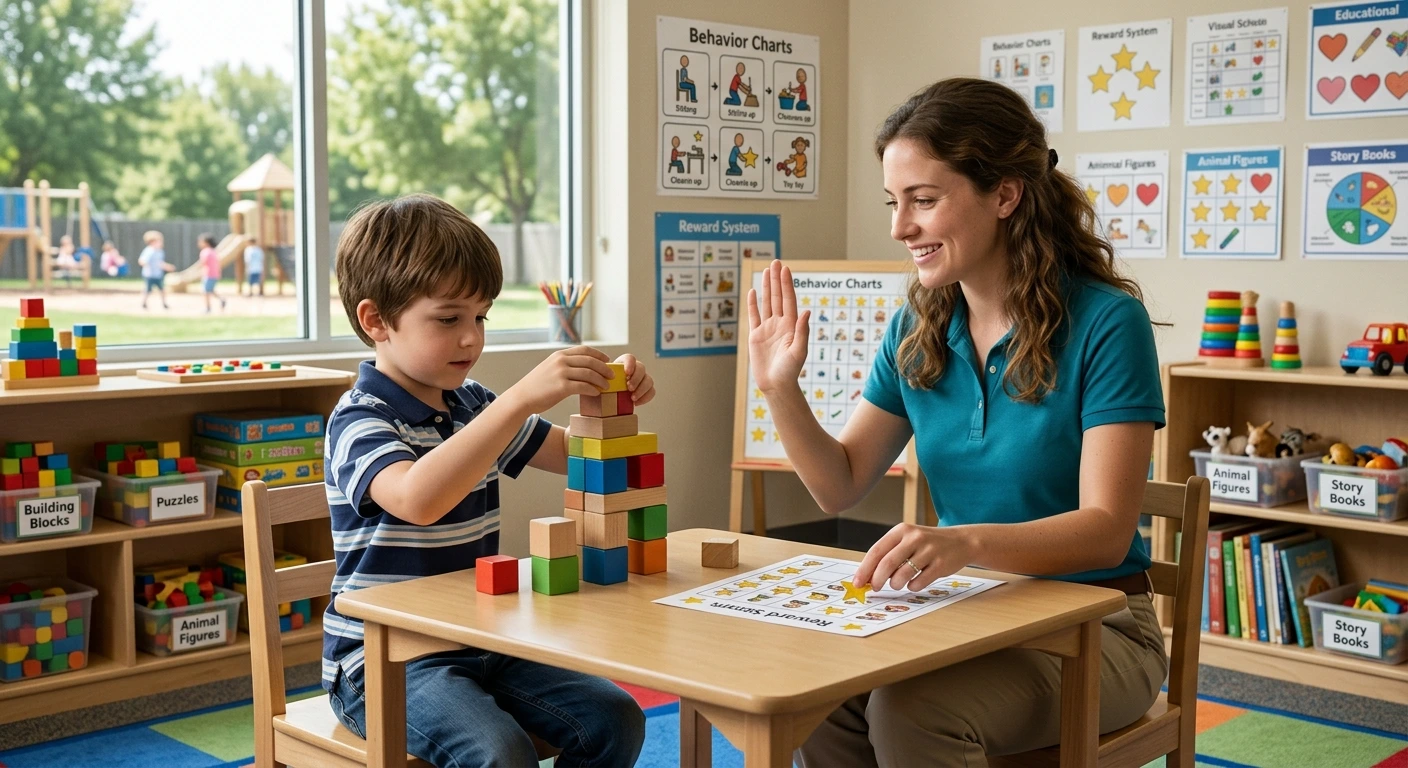
Some parents observe unusual behaviors in their child’s activities, such as eating or chewing ice. For normal people, eating ice is just a way to refresh their mood, but for autistic people, this habit of chewing ice is something else. In ABA therapy Utah, a therapist will ask the family to observe the behavior and identify its causes. If the cause of the habit is identified, parents can pursue other methods of support rather than attempting to stop it.
Exploring the Link Between Autism and Eating Habits
Kids with autism perceive the world differently, particularly in terms of taste, texture, smell, and temperature. At ABA therapy Utah it is known that preferences for sensory input and eating are processed together. Some children like crunchy foods, while others enjoy very cold foods and drinks. Some people chew on ice for some relief to make them feel better.
Not all autistic kids like ice, and not all kids who like ice are autistic. But for some, ice may be particularly appealing due to their sensory processing differences. To better support, you have to become a part of these preferences and observe what is happening.
Using Ice Eating as a Coping Mechanism
Eating ice can be more than just a habit. Some autistic people use it as a way of coping with stress, anxiety, or sensory overload.
For example, a child chews ice after a hectic day at school because the cold, crunchy texture helps them feel calm. Another child might chew on ice when doing homework since it will keep them focused on the task.
Do not assume the behavior is wrong; instead, observe when it occurs to see if that is the case. Does this occur when it is stressful? Does it happen when the child is bored or overwhelmed? It’s easier to see how the behavior is being used if you can find these patterns.
Potential Health Implications
Most of the time, it’s safe to chew on ice, but it can cause health problems if ice is chewed too often or in large amounts. Sometimes it can also be associated with conditions such as iron deficiency.
If a child begins eating an excessive amount of ice and does so more frequently, it is important to consult a health care provider. Before making the diagnosis of autism, a medical evaluation can help rule out other problems, such as nutritional deficiencies. Knowing how to help someone with autism starts with identifying the root cause of behaviors like this one.
Risks Associated With Excessive Ice Consumption
Dental Problems
Ice is not a harmless food item; it’s a lot harder than most foods. Chewing can often chip or crack teeth, break fillings, and, over time, wear down the tooth’s enamel. Regular dental checkups are important for children who tend to chew on ice frequently to prevent dental issues down the road.
Temperature Sensitivity
As many as 90% of autistic people have special sensory issues. Some people get cold when they eat ice-cold food, while others feel discomfort when consuming more ice. Parents should monitor how their child chews ice and see whether it is soothing or uncomfortable.
Digestive Problems
Children are not likely to have digestive problems from eating ice cubes per se, but eating them in large quantities may make healthy foods less appealing. Ice can be a substitute for regular meals and snacks, which can negatively impact nutrition and overall health. This is another good reason why it’s crucial to continue watching.
Monitoring and Addressing Health Concerns
Parents/caregivers should observe the frequency of ice eating and if it is related to specific situations or feelings. It helps to have basic information about when the behavior occurs, which can help determine patterns.
Working with healthcare professionals, such as a pediatrician, dentist, or therapist, is beneficial if concerns persist. Therapists frequently work with families and other professionals to understand behaviors and develop practical strategies for parents, offering safe solutions that meet the needs of the individual child.
Strategies for Supporting People With Autism
The first step in supporting a child is to ask yourself why the child is doing this, rather than stopping them straight away.
Parents can establish familiar routines, minimize stressful situations as much as possible, and offer sensory-friendly activities during the day. Communication is also encouraged to enable children to express their needs, not just through behaviors.
Reading materials, such as Understanding ABA therapy Goals and Outcomes and How Long Does ABA Therapy Last? can also help families understand how therapy supports everyday skills and behaviors.
Positive Ways to Address Ice Eating Behavior
Sometimes, giving them an alternative for their excessive ice-eating is more effective than just saying “stop eating ice!“
Provide alternative, healthier options for the behavior; reinforce the use of alternatives; collaborate with therapists to determine the function of the behavior. Each child is unique; solutions need to be tailored to the child and cannot be applied one-size-fits-all.
Alternative Coping Mechanisms and Strategies
If chewing ice helps the child calm or soothe their emotions or sensory needs, other safe options could be effective as well.
This can be done with silicone chew toys, crunchy fruit and veg, sugar-free crushed ice (on a dentist’s advice), cold smoothies, deep breathing, or sensory activities to help calm children. Families will have the opportunity to try various options to find what works best for their child and to ensure their child’s health.
Final Thoughts
Autistic people eat ice because they have a sensory need, an emotional regulation need, or because they have a medical issue. When families take the time to understand why the behavior is occurring, they can respond patiently rather than in a frustrated or negative way. With proper guidance, healthy alternatives, and support from Reach Higher ABA children can develop healthier coping mechanisms and continue building their confidence, independence, and well-being.