What Is ABA Therapy?
Autism is a condition that disturbs how a person learns or talks and connects with others. Families frequently search for support to help their children grow and do well in everyday life.
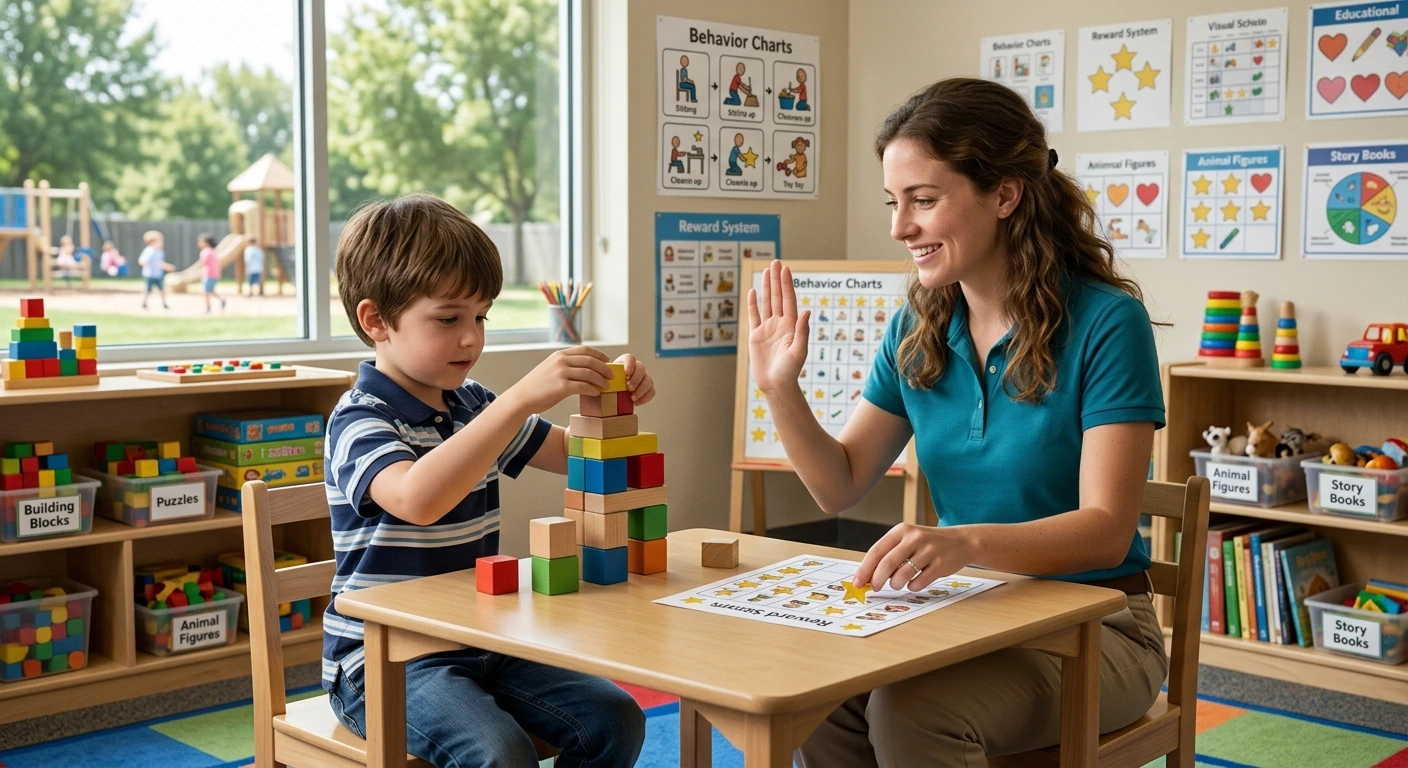
One common support is ABA (Applied Behavior Analysis) which is a type of autism therapy that teaches skills in small, simple steps or encourages positive behavior. It is frequently used to help with communication, everyday living skills or learning.
But, many parents get different opinions online and feel confused, particularly when asking is ABA therapy harmful? Some people say ABA supports children in improving important skills, while others have anxieties, which has led to a continuing ABA therapy controversy.
Because of these mixed views, ABA or applied behavior analysis, has become a widely discussed topic in autism support. This article will clarify what it is and help families know it better.
Why ABA Therapy Became So Popular
ABA therapy Utah became common as it was one of the first ways studied to support autistic children in learning key skills.
Over time, doctors or schools and therapy centers started recommending it to recover communication, behavior and everyday life skills. Insurance coverage also made it easier for families to access.
Skills ABA Often Focuses On
Communication: ABA supports children in learning to speak, use simple words or use other means of communication. It also supports social communication with others.
Self-Care: ABA teaches everyday skills like getting dressed or eating by themselves, brushing teeth and other personal care tasks.
Learning Readiness: ABA supports children to focus or listen to instructions and take part in classroom activities.
Behavioral Regulation: ABA supports children in managing feelings like frustration, adapting to changes, or staying calm during tough moments.
Is ABA Therapy Harmful? The Debate
The question “Is ABA therapy harmful?” is discussed a lot by parents and experts. People have different involvements with ABA therapy in Utah and how it is used. Because of this, opinions about Applied Behavior Analysis are mixed and not the same for everybody.
Why Some People Think ABA Therapy Can Be Harmful
Some anxieties come from older or stricter techniques of using Applied Behavior Analysis. Critics say it sometimes focuses too much on obedience rather than comfort or options.
- Very strict approaches
- Trying to change natural autistic traits
- Emotional pressure from masking
- Mental health doubts
These concerns are part of the ABA therapy controversy. At the same time, others report positive or helpful experiences when therapy is flexible and supportive.
Common Criticisms of ABA Therapy
Some people feel ABA therapy in Utah centers focus too much on “normal behavior.” Others say it may expect too much obedience instead of self-expression. Long or intense therapy sessions can also feel tiring for some individuals.
- Concentration on “normal” behavior
- Too much focus on following instructions
- Long therapy hours
- Less focus on self-expression
These points display why the ABA therapy controversy is still widely debated in autism support.
What Supporters Say About ABA Therapy
Many parents and therapists like Utah ABA therapy Utah as they see children slowly improving in learning and behavior. They feel it helps children gain key daily life and communication skills in a clear, step-by-step way. Supporters also say it can be improved to fit each child’s abilities and needs.
Benefits of Applied Behavior Analysis
Communication Development
- Supports children in building speaking and understanding skills through practice.
- Some children also use other communication tools such as pictures or devices.
Daily Living Skills
- Teaches basic self-care such as getting dressed and eating.
- Supports children doing more things on their own.
Safety and Behavioral Support
- Supports lower, insecure, or harmful behaviors.
- Teaches ways to stay calm during stressful situations or changes.
Today’s ABA programs are more flexible and concentrated on each child. They use positive support and try to match the child’s ease and progress.
How Modern ABA Therapy Has Changed
Modern ABA therapy is very different from older approaches. It now focuses on respect or comfort and how each child naturally learns. Instead of only trying to fix behavior then it supports children to learn real-life skills in a kind and flexible way.
Key Changes in Modern ABA Therapy
- Therapy is now more concentrated on the child’s needs and selections
- More attention is given to comfort, consent and interest throughout sessions
- Goals are more practical like talking, everyday skills and independence
Key Differences Between Older and Modern ABA
Older ABA was stricter, but modern ABA is more flexible and kind. It now centers on learning through positive and natural involvement.
- Less use of punishment, more attention on rewards and praise
- Plans are made centered on each child’s wants and abilities
- Families are more involved in the learning procedure
Overall, the ABA therapy controversy is still discussed but modern ABA centers focus more on kindness, respect and facilitating children to grow positively.
What Does Research Say About Applied Behavior Analysis?
Studies on Applied Behavior Analysis yield mixed results, but the evidence is gradually accumulating. Researchers study how it supports children in learning speech or communication and daily skills. However, results are not uniform across all children, and exploration is still developing.
Possible Benefits Found in Studies
Communication improvement: Many studies show that children may learn to speak better, understand others and express their wants.
Daily living skills: Some children get better at daily tasks like eating, dressing, and self-care.
Social skills: Research displays that some children interact more with others and join group activities more easily.
Limits and Questions in Research
Long-term effects: We still do not clearly recognize how it works over the years.
Study quality: Some studies are small or not very strong.
Different results: Children may respond differently depending on their needs and development.
More high-quality research is still required to understand it better.
Why Experiences With ABA Therapy Differ?
Each autistic child is different, so ABA therapy Utah results vary by child. Some children learn quickly, while others may need more time or a different way of teaching.
The therapist’s skill and experience also matter as trained therapists can offer better support. That is why each child needs care tailored only to them.
Factors That May Influence Outcomes
- How trained and expert the therapist is
- How many therapy hours and how consistent the sessions are
- What the child likes, feels comfy with and enjoys
- How much the family takes part in the therapy?
In the end, Applied Behavior Analysis works best when it is flexible, simple and concentrated on each child’s needs and strengths.
Questions Parents Should Ask Before Choosing ABA Therapy
Families considering ABA therapy should carefully review the program and how it works.
What does “success” mean in the program?
Question how the program defines success. Check whether it focuses on real-life skills, not just on following instructions or obeying.
Does the program respect the child’s choices?
Question how therapists include the child’s comfort and selections. Discover if children are allowed to say “no” and make choices.
How is progress checked?
Question how improvement is measured. Search for goals that recover everyday life and independence, not just counting behaviors.
What training do therapists have?
Ask about the therapists’ education and certificates. Make certain they are trained, qualified and supervised correctly.
Alternatives and Complementary Therapies
Many families use Behavior Analysis together with other kinds of support instead of using just one method.
Common options include:
- Speech therapy (supports with talking and language)
- Occupational therapy (helps with everyday skills like dressing and writing)
- Social skills programs (help with making friends and interaction)
- Parent coaching (teaches parents how to support the child)
- School support services (support in classroom learning)
These services can be used alongside ABA or instead of it, depending on what the child needs and what aims the family has.
Common Misconceptions about ABA Therapy
Common Misconceptions About ABA Therapy
“All ABA Therapy Is the Same”
ABA therapy isn’t the same all over. Changed therapists and programs use different approaches and styles.
“ABA Therapy Is Always Harmful”
People have different involvements. Some find it helpful, while others have worries. It doesn’t affect everybody the same way.
“ABA Therapy Is the Only Good Autism Support”
There are various helpful supports for autistic people, not only Behavior Analysis.
“Modern ABA Is the Same as Old ABA”
Modern ABA is often more flexible and focused on the child’s comfort and needs than older approaches.
How Families Can Make a Good Decision?
Selecting autism therapy can feel tough, but learning from different sources can help.
Helpful steps:
- Learn about the different kinds of therapy
- Talk to trained specialists
- Listen to autistic people and their involvements
- Watch therapy sessions if you can
Check progress often
- Ask questions about how therapy works and what effects to expect
- A good support plan fits the child’s desires or selections and future goals.
When to Ask for Professional Help?
Families may want professional help when:
- They are uncertain about support choices
- They are concerned about how well therapy is working
- They realize emotional or behavioral changes
- They are comparing the changed therapies
Health professionals can assess the situation and recommend appropriate support based on the child’s preferences.
Conclusion
To conclude that the question “Is ABA therapy harmful?” does not have a simple yes or no answer. The discussion around Behavior Analysis displays that people have very different experiences. Some families say Behavior Analysis gives actual benefits of aba therapy, such as better communication and more independence.
Others share aba therapy criticism and worry about certain approaches used in some programs. In autism therapy, outcomes can differ from child to child.
Families should look at reliable info, seek professional advice, and consider each child’s wants. The best option is a plan that fits the individual and supports their well-being.